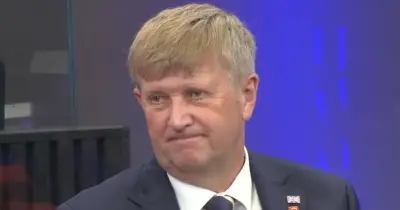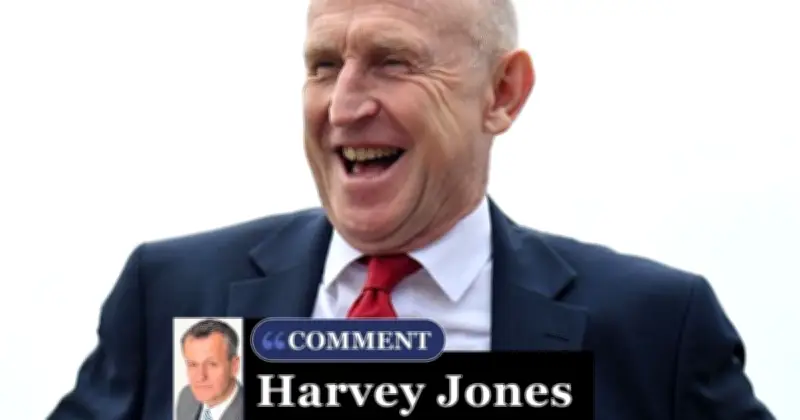
Chancellor John Healey has abandoned his commitment to a 3% defence spending target, a move that contradicts the principle behind his resignation and raises questions about his motives.
Healey's U-turn on Defence Spending
In his first major interview as Chancellor, John Healey said he would not commit to the 3% defence spending target in his October Budget after all. When pressed by Sky News political editor Sam Coates, Healey said “fiscal discipline” had to be his first priority. The UK's financial position is “not easy”, he said. Finding extra money immediately is a massive challenge.
This marks a significant shift from his position as Defence Secretary. On June 11, Healey resigned after then prime minister Keir Starmer refused to fully fund the government's long-term Defence Investment Plan. Healey argued that the financial package offered by the Treasury “fell well short” of what was needed to protect the country during a highly volatile time.

Resignation and Praise
In a scathing resignation letter, Healey warned that the funding shortfall would force him to make cuts that would diminish the readiness of the armed forces and make the country less safe. He insisted Britain needed a clear path to 3% of GDP on defence by 2030.
His resignation won him bipartisan respect. Former Conservative leader Sir Iain Duncan Smith publicly called Healey “an honourable man”, while other opposition MPs praised his refusal to attach his name to a Budget he believed was unsafe for British troops. Even Tory leader Kemi Badenoch recently praised him for acting "honourably and in the national interest".
Questions Over Motives
Now, as Chancellor, Healey's stance appears to have changed. When Coates accused Healey of offering “continuity” with the Starmer government, he responded: “We're a continuity of a Labour government with a change of leader.”
The U-turn has led some to question whether his resignation was based on principle or ambition. Healey has a much better job today, as Chancellor is a big step up from Defence Secretary. Meanwhile, Andy Burnham is now in Number 10, having pushed himself forward as PM because he believed he could better serve his country than Starmer. Yet as the days pass, he looks increasingly like the man he replaced.