Harvard Faculty Votes to Cap A Grades at 20% to Combat Grade Inflation
Harvard Faculty Votes to Cap A Grades at 20%

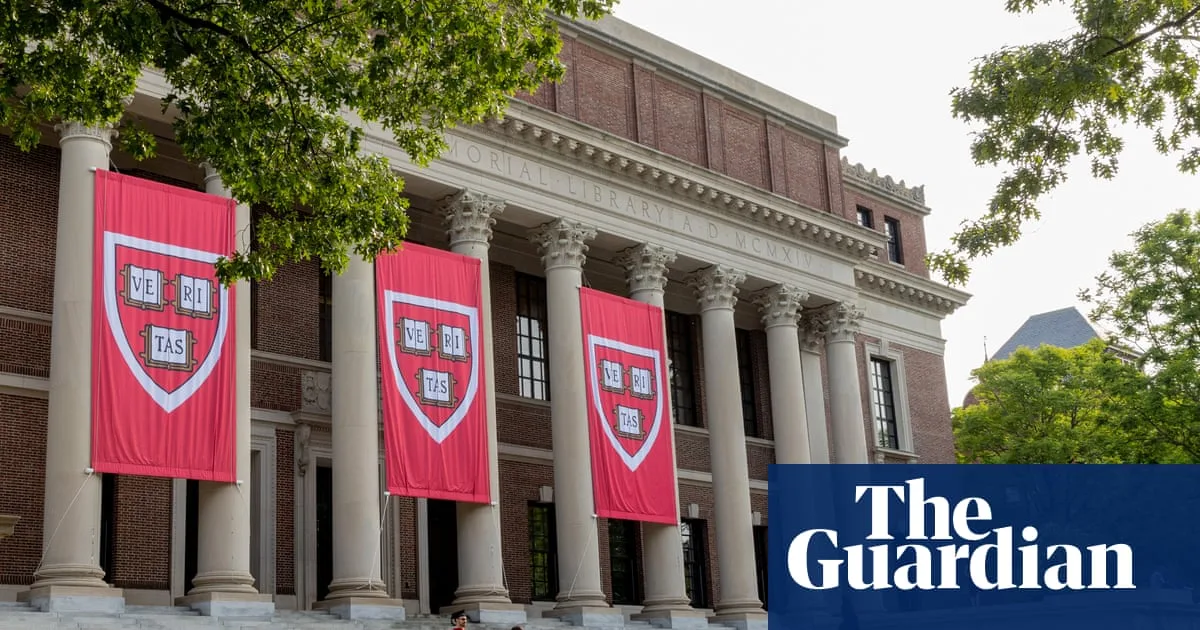
Harvard University faculty have voted overwhelmingly to limit the number of A grades awarded to undergraduates, aiming to reverse decades of grade inflation. The policy, set to take effect in the fall of 2027, caps straight A grades at roughly 20 percent of a class roster, with up to four additional A’s allowed in smaller courses, according to the Washington Post.

Grade Inflation at Harvard

Grade inflation has been a growing concern at universities nationwide. At Harvard, during the 2024-25 academic year, approximately 60 percent of all undergraduate grades were A’s, a sharp rise from just 25 percent in the 2005-06 academic year. “It would be flippant to say that [Harvard] grades are useless,” a law school dean told the Post, “But they’re almost useless.”

Faculty Support and Rationale

Supporters of the change argue that capping top grades will restore their meaning. “An A will once again be what Harvard’s guidelines have long said it is: a mark of extraordinary distinction. And an A- need no longer be a source of anxiety, encouraging students to explore new subjects and take intellectual risks,” the subcommittee that proposed the measure stated. Amanda Claybaugh, the dean of undergraduate education, said, “This is a consequential vote. It will, I believe, strengthen the academic culture of Harvard; it will also, I hope, encourage other institutions to confront similar questions with the same level of rigor and courage.”

Wide Pickt banner — collaborative shopping lists app for Telegram, phone mockup with grocery list

Faculty also voted in favor of using a student’s average percentile rank instead of grade point average for comparing performances for honors, prizes, or awards. However, a third proposal allowing courses to opt out of the A-grade limit if they develop an alternative grading system was rejected.

Student Opposition

Despite strong faculty support, students have been adamantly against the change. A February survey by the Harvard Undergraduate Association found that nearly 85 percent of student respondents disapproved of the proposal, as reported by the Harvard Crimson.

Broader Context and AI Impact

Discussions about grading are also happening at other Ivy League institutions. Yale’s Dean Pericles Lewis told the Yale Daily News that he did not want an A at a prestigious college to be seen as weaker than the same grade from competitors. Meanwhile, Princeton University capped A’s more than 20 years ago but lifted the policy in 2014 after finding it caused student stress.

Artificial intelligence is exacerbating grade inflation, according to a recent study from the University of California, Berkeley. The research found that professors teaching AI-exposed classes awarded students about 30 percent more A’s. In response, universities are taking extra measures to ensure academic integrity. Princeton recently abandoned its 133-year-old honor code, now requiring proctored exams for all in-person tests starting this summer, citing widespread cheating concerns. Despite this change, students must still pledge: “I pledge my honor that I have not violated the Honor Code during this examination.”

Pickt after-article banner — collaborative shopping lists app with family illustration