
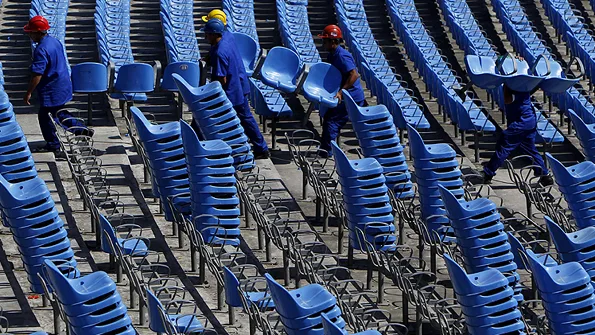
Brazil, awarded the 2014 World Cup over seven years ago, has faced significant delays in planning, raising concerns about rising costs and missed opportunities for public benefit. Unlike England, which had to submit detailed host city and stadium plans for the 2018 bid, Brazil was selected via a rotation policy that bypassed such scrutiny. Host cities were only chosen in May 2010, and Sao Paulo finalised its stadium decision as late as last Friday.
These delays, attributed to political infighting and administrative ineptitude, have created a sense of urgency that may shift financial burdens onto taxpayers. Originally, private investors were expected to fund stadium construction, but now nine of the twelve venues are owned by local governments, which will likely need loans from the state development bank. Even one privately owned stadium, Atletico Paranaense's, may require public financing.
While airport infrastructure is set for investment, urban public transport—a key area for improving daily life for millions—may be neglected. Some cities have already scrapped plans for underground lines in favour of cheaper bus solutions. Meanwhile, stadiums in cities like Cuiaba and Manaus face uncertain post-tournament viability, and some older grounds will retain outdated designs with large gaps between fans and the pitch.
The World Cup could bring lasting benefits, but with time running out, Brazil risks paying more for less, leaving its citizens with costly stadiums and missed chances for meaningful public transport improvements.




