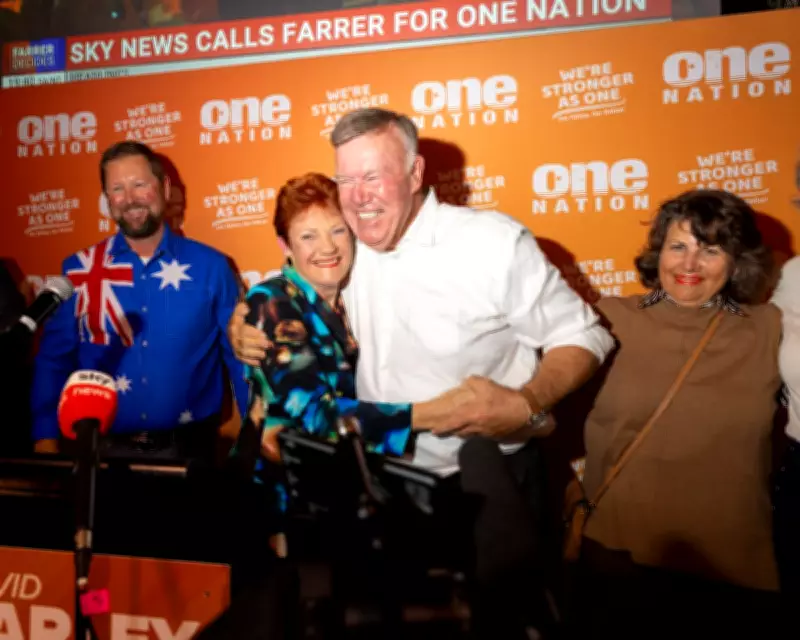
The Farrer byelection has sent shockwaves through Australian politics, as the Coalition suffered a significant swing against it in what was once considered a safe seat. The contest, triggered by the resignation of former minister Angus Taylor, saw the Liberal Party's primary vote drop sharply, while Pauline Hanson's One Nation surged to a strong second place.
A Dramatic Shift in the Electorate
Preliminary results indicate a swing of more than 15% away from the Coalition, with One Nation increasing its vote share by over 20 points. The Labor Party also saw a modest increase, but the real story is the rise of the right-wing populist party in a rural stronghold that had been held by the Liberals for decades.
Angus Taylor's Legacy and the Byelection Context
Angus Taylor, who served as a senior minister in the Morrison government, resigned from parliament amid ongoing controversies over his conduct and policy decisions. His departure set the stage for a byelection that many viewed as a litmus test for the Coalition's standing in regional Australia.

The result has been interpreted as a clear message of discontent from rural voters, who feel neglected by the major parties. Issues such as water rights, agricultural policy, and cost-of-living pressures dominated the campaign, with One Nation tapping into voter frustration.
Implications for the Coalition and National Politics
The loss in Farrer is a major blow to Prime Minister Anthony Albanese's government, which had hoped to retain the seat comfortably. The result raises questions about the Coalition's strategy in regional areas and its ability to fend off challenges from minor parties.
Political analysts suggest that the byelection outcome could have broader implications for the next federal election, with the Coalition needing to reassess its appeal to rural voters. One Nation's strong performance also signals a potential realignment of Australian politics, as disillusioned conservatives look for alternatives to the major parties.
One Nation's Growing Influence
Pauline Hanson's party has been steadily building support in Queensland and New South Wales, and the Farrer result confirms its ability to compete in formerly safe Liberal seats. The party's platform of economic nationalism, opposition to net-zero emissions targets, and tough immigration policies resonated with many voters in the electorate.
While One Nation did not win the seat, its strong second-place finish positions it as a formidable force in future elections. The major parties will now have to contend with a more fragmented political landscape, particularly in rural and regional areas.
What's Next for Farrer and the Coalition?
The byelection result has prompted soul-searching within the Liberal Party, with some calling for a return to core conservative values, while others argue for a more moderate approach. The seat of Farrer will remain in Liberal hands for now, but the reduced majority serves as a warning sign.
For the Coalition, the challenge will be to rebuild trust with rural voters and address the issues that drove them to One Nation. The government's response to the byelection result will be closely watched, as it seeks to shore up its support base ahead of the next general election.