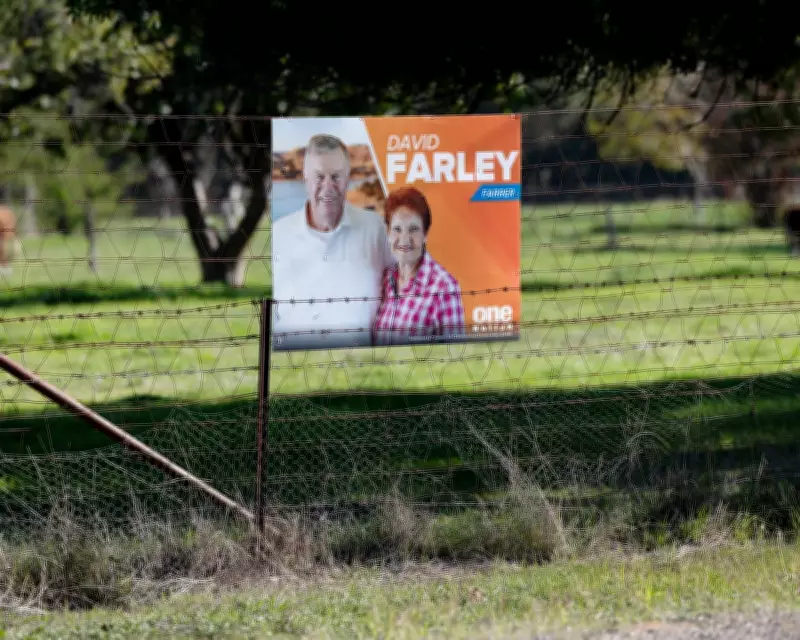
The Farrer by-election has brought back memories of Malcolm Turnbull's controversial 2016 preference deal with One Nation, as the Liberal Party again directs its preferences to Pauline Hanson's party. This strategic move has sparked debate about the shifting dynamics of conservative politics in Australia.
The Preference Deal
In the lead-up to the by-election for the seat of Farrer in New South Wales, the Liberal Party announced it would place One Nation ahead of other minor parties and independents on its how-to-vote cards. This decision mirrors the 2016 federal election arrangement, when then-Prime Minister Malcolm Turnbull struck a preference deal with One Nation to secure the coalition's re-election. Critics argue that such deals legitimize Hanson's far-right agenda, while supporters claim they are necessary to prevent Labor from winning.
Implications for the Liberal Party
The preference flow has caused internal divisions within the Liberal Party. Moderate members fear that aligning with One Nation could alienate centrist voters, particularly in urban seats. However, in rural and regional areas like Farrer, One Nation's appeal is stronger, and the party hopes to retain the seat vacated by former Liberal minister Sussan Ley. The by-election is seen as a test of the coalition's electoral strategy under current Prime Minister Peter Dutton.

One Nation's Role
One Nation leader Pauline Hanson has welcomed the Liberal preferences, stating that her party represents the real conservative voice. Hanson has been critical of the coalition's climate and immigration policies, and the preference deal gives her party increased influence. Some analysts suggest that this alliance could pave the way for a formal coalition in the future, though both parties deny such plans.
Historical Context
The 2016 preference deal was a turning point in Australian politics, as it marked the first time a major party had officially directed preferences to One Nation since the late 1990s. Turnbull defended the move as a pragmatic decision to stop Labor, but it damaged his reputation among progressives. The current deal revives those tensions and raises questions about the Liberal Party's identity.
Electoral Impact
Polls suggest the Liberal candidate is likely to win Farrer, but the preference deal could affect the margin. Labor has condemned the arrangement, calling it an embrace of extremism. The Greens and independent candidates have also criticized the Liberal Party. The outcome will be closely watched as a barometer of the coalition's electoral health.
In conclusion, the Farrer by-election highlights the enduring influence of Malcolm Turnbull's 2016 preference strategy. The Liberal Party's decision to again ally with One Nation underscores the complexities of modern conservative politics in Australia, where ideological purity often clashes with electoral pragmatism.