

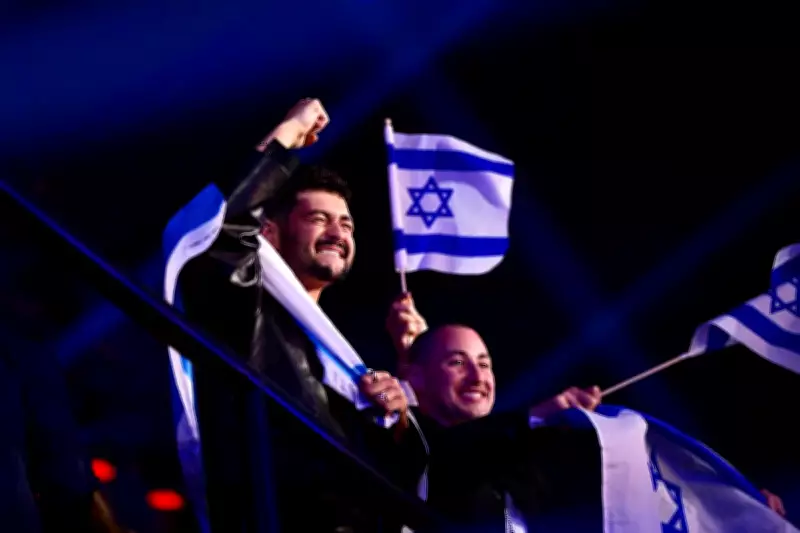
The 2026 Eurovision Song Contest is facing unprecedented controversy as multiple nations, including Spain, announce boycotts over Israel's continued participation. The European Broadcasting Union (EBU), which organizes the event, has faced three years of calls to exclude Israel but maintains its stance that Eurovision is an apolitical event.
Why the Boycotts?
Spain's withdrawal was explained by José Pablo López, chair of the country's radio and television corporation, who cited the 'genocide currently taking place' in Gaza and the political implications of Israel's involvement. Israel denies allegations of genocide. The EBU previously banned Russia in 2022 after its invasion of Ukraine but has not taken similar action against Israel, a decision critics attribute to sponsorship ties and threats of counter-boycotts from nations like Germany.
Israel's Participation Controversy
Israel's national broadcaster received a formal warning from Eurovision for encouraging viewers to cast 10 votes for their act, Noam Bettan, a move deemed to breach rules against voting manipulation. The ongoing conflict in Gaza has amplified calls for Israel's exclusion, with activists arguing that allowing Israel to compete normalizes its actions.

The EBU's decision has sparked debate about the line between politics and entertainment, with some defending the organization's apolitical stance and others demanding consistency in applying sanctions. As the contest approaches, the list of boycotting countries may grow, casting a shadow over what is traditionally a celebration of music and unity.






