
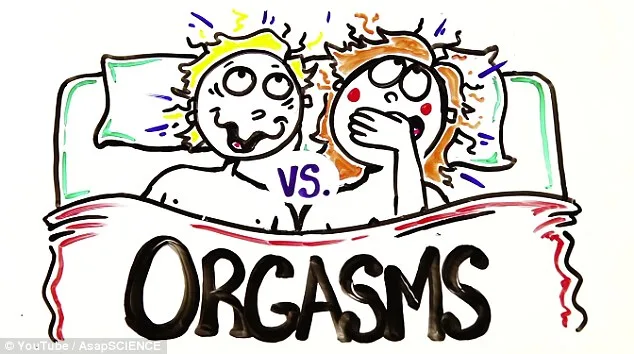
A new video by Canadian YouTube channel ASAPScience explores the differences between male and female orgasms, revealing that while women's orgasms last longer, they are less likely to climax during sex. The video cites a survey of heterosexual Australians showing 95% of men orgasm during sex compared to just 69% of women.
However, the research suggests that emotional connection and sexual duration may play a significant role. Lesbian women are 12% more likely to orgasm during sex, with a quarter climaxing every time. Nearly half of gay women experienced orgasms three-quarters of the time, and the video attributes this to longer sexual encounters—lesbian sex averages 30-45 minutes compared to 15-30 minutes for straight couples.
Genetics also influence female orgasm, with a study of 4,000 female twins indicating that genes can predict the likelihood of climax. Despite these differences, brain activity during orgasm is similar between sexes, with the orbitofrontal cortex shutting down, explaining why people lose themselves during climax.
The video also addresses the evolutionary mystery of female orgasm. Yale researchers suggest that in prehistoric times, female ancestors only ovulated after stimulation, but evolution led to monthly ovulation, leaving the female orgasm without a clear reproductive function. Both genders experience drowsiness after orgasm due to the release of prolactin, which is four times higher after intercourse than masturbation.




