Recent maps from Election Maps UK have highlighted the stark generational divide in British politics. One map, based on voting intentions of 18- to 24-year-olds, showed a complete wipeout for the Conservatives, with Labour winning 600 seats. Conversely, a map for over-65s predicted a Conservative landslide of 575 seats. Although the maps were described as 'a bit of fun' and contained methodological errors, they reflect real polling data.
A YouGov survey of over 52,000 adults found that only 19% of 18- to 19-year-olds voted Conservative, compared to 69% of those aged 70 and over. Labour support showed a mirror image: 66% among the youngest and 19% among the oldest. The tipping point age, where someone is more likely to vote Conservative than Labour, was found to be 47.
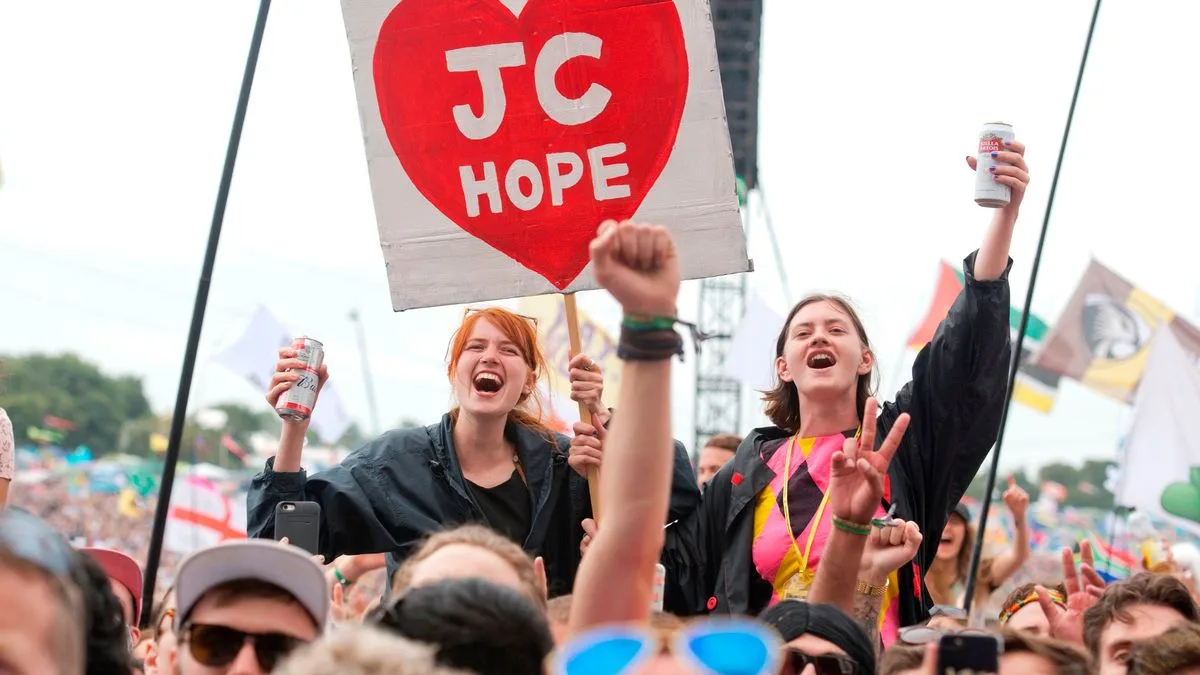
The generation gap also appeared in the 2016 Brexit referendum, with 73% of 18- to 24-year-olds voting Remain, versus 40% of over-65s. Peter Kellner, former president of YouGov, noted that age is now 'by far the biggest dividing line in British politics, far bigger than social class.'

Attitudinal differences are significant: 32% of 18- to 24-year-olds are very worried about climate change, compared to 20% of over-65s. Additionally, 75% of 18- to 34-year-olds disagree that a man's role is to earn money and a woman's to look after the home, versus 47% of over-75s. These views are shaped by different life experiences, including housing. Homeownership among 25- to 29-year-olds fell from 55% in 1996 to 30% in 2015, and the Resolution Foundation warns that up to a third of millennials may rent for life.