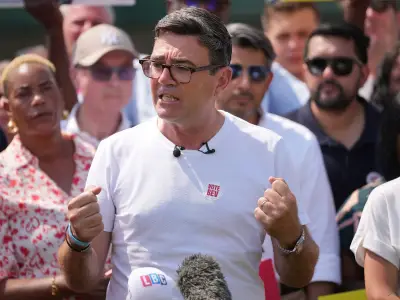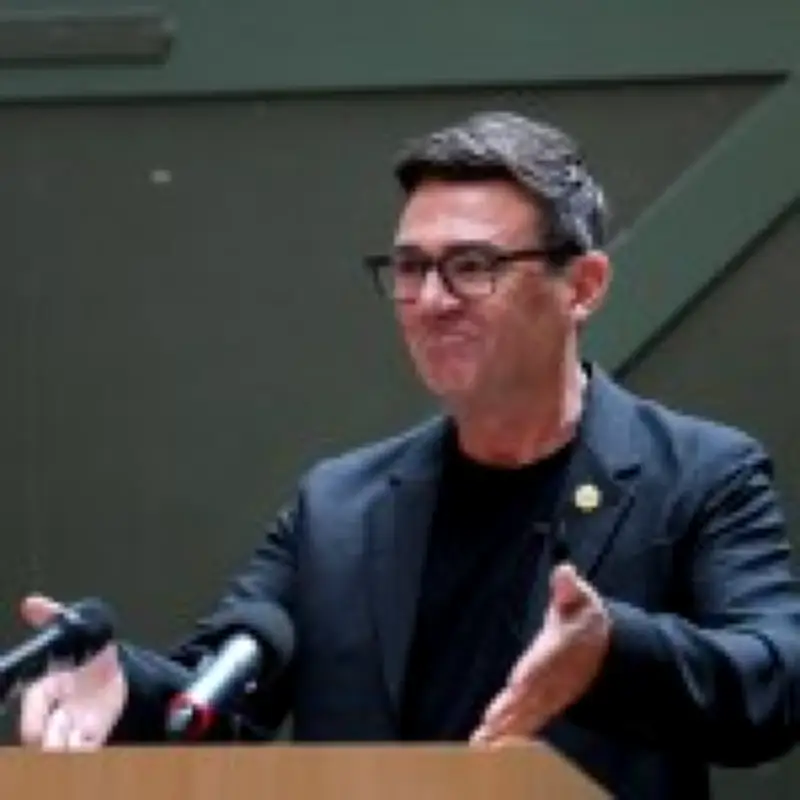
Andy Burnham delivered a speech at the People’s History Museum in Manchester, outlining what he described as the “biggest rebalancing of power our country has seen” through an ambitious programme of devolution. The speech, which received enthusiastic applause from a supportive crowd, marked a clear departure from Keir Starmer’s approach, with Burnham explicitly calling for “radical change.”
Key Proposals: Devolution and No 10 North
Burnham proposed an “extended operation” of No 10 Downing Street based in Manchester, dubbed “No 10 North,” to lead the devolution effort. This office would serve as the “nerve centre of a rewired Britain,” focusing on creating a “more streamlined state” with a “laser-like focus on growth and regeneration.” Key pledges included a significant ramping up of council house construction and handing new powers to regional mayors.
The front row of the audience featured fellow Labour mayors, who are set to benefit from these proposed changes. Burnham stated, “Westminster and Whitehall are set up for conflict, and they require radical change if the country is to get back on track.”

Contrast with Keir Starmer’s Stance
The speech stood in stark contrast to Starmer’s earlier comments. In an interview six months prior, Starmer told Metro that he is “fed up” with politicians calling for radical change, citing Liz Truss’s economic experiment as a cautionary tale. Burnham’s willingness to embrace the term reflects a different reading of the public mood, noting the rise of Reform UK and the Green Party as evidence that voters seek drastic solutions.
What Burnham Did Not Address
Burnham avoided questions from the media after the speech, departing immediately for London to meet with MPs. He did not provide details on cabinet appointments, joking that people should “feel free to discount the wild speculation in circulation” and that he would not announce decisions “until the end of the process.” He also sidestepped the topic of immigration, a top voter concern, merely expressing support for Home Secretary Shabana Mahmood’s reforms without offering specifics.
Critics noted the speech was light on concrete details, a gap that could have been addressed through press questions. However, Burnham presented a clear narrative on the country’s direction and the need for change, which many in the audience welcomed.
Looking Ahead
With Burnham set to enter No 10 in three weeks, the challenge remains to translate his vision into action. The speech signaled a shift in tone and priorities, but whether it will translate into tangible outcomes for voters remains to be seen.