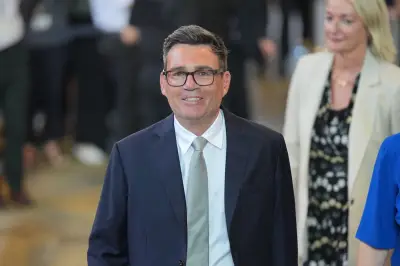
Andy Burnham's victory speech in Makerfield was filled with upbeat language, declaring the night "could, just could, be the turning point" and promising to bring back "hope for the future." His surge towards Downing Street, despite obstacles from the Labour right and Reform UK, has been a seductive advertisement for positive politics. However, as history shows, hope in Labour can be a double-edged sword.
Labour's Tricky Relationship with Hope
Labour has always had a complex relationship with hope, founded by an alliance of idealists and pragmatists. The party's right sees the left as too hopeful about equality, while the left views the right as not hopeful enough. This 126-year-old argument continues today, with anonymous briefings about who should hold key posts in a Burnham government—disruptive reformers like Ed Miliband or cautious adjusters like Pat McFadden.
Despite these divisions, there is broad agreement that Labour needs an optimistic message to win elections. This message can be leftwing, as under Attlee in 1945 or Corbyn in 2017, or centrist, as under Blair in 1997 or Starmer in 2024. Yet optimism often brings problems: excessive expectations, underestimating the complexity of change, and downplaying enemies and barriers.

The Risks of Hope
Critics argue that Labour's hope is a trick, presenting the softening of hierarchies as fundamental reform. This critique, once confined to smaller leftwing parties, is now amplified by Green party leader Zack Polanski, who questions Burnham's reforming credentials. Any compromises or U-turns as prime minister will be highlighted, risking the loss of leftwing voters to the Greens, Plaid Cymru, and the SNP.
To make best use of hope, Burnham must demonstrate he enjoys governing, as he did as mayor of Greater Manchester with his enthusiasm for improving buses. In contrast, Starmer and Brown often made being prime minister appear a burden, which voters may not want. Zest in office provides a narrative and energy.
Beyond Tone: Policies and Appointments
Restoring hope requires more than tone. Burnham's appointments and policies will show if his government truly aims to redirect the country. His selection of former Blairite James Purnell as chief of staff is not encouraging for those hoping for a break with the past. To sustain hope, this must be balanced with less orthodox appointments.
Burnham also needs bold policies addressing voter depression: public control of privatised utilities, a temporary nationwide rent freeze, and restoring power to marginalised towns and regions. Such moves may be dismissed as impractical but are necessary to avoid sinking back into gloom. In disillusioned times, hope is powerful but must be constantly proved.
Andy Beckett is a Guardian columnist.