
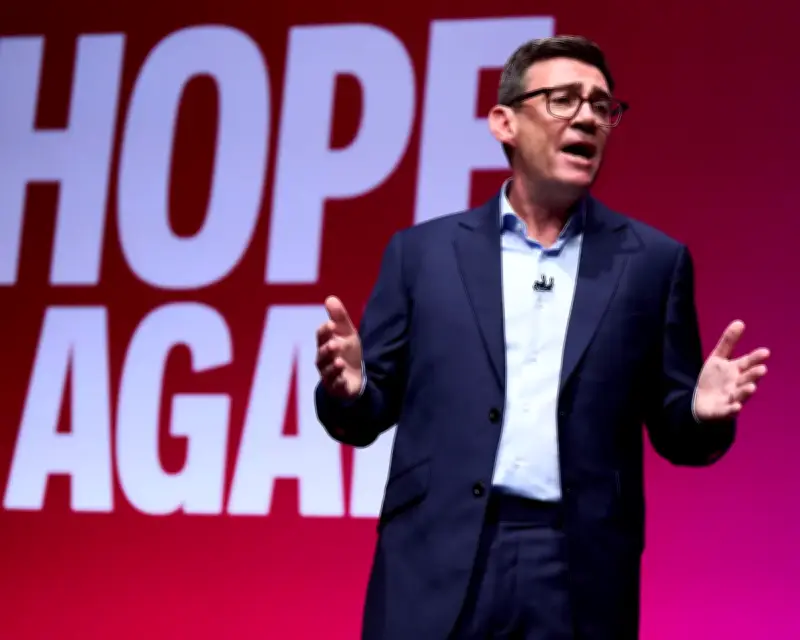
Andy Burnham's speech at the Labour conference moved several ministers to tears and marked a new era for the party, with his pure political argument persuading even doubters. About a quarter of the speech was entirely ad-libbed, aides said, and the prime minister was still rewriting moments before he took the stage.
Emotional Display and Ad-Libbed Delivery
The speech combined plans forming over the last decade with seat-of-his-pants political instinct. On the morning of the conference, Burnham took off early for a morning jog and then returned to make final amendments. Even moments before he went on stage, he was still rewriting, aides said. When rehearsing, he knew he would cry at the paragraph about his late father, never managing a practice run without tears. The long pause as he composed himself was the most emotional he had been.
Several ministers said they were moved to tears, including Ed Miliband, who had recently lost his mother, as well as Louise Haigh and Anneliese Midgley, Burnham's closest friends in government and architects of his ascendancy. After the speech, Burnham gathered all his ministers for a private pep talk, telling them to "get out there" and fight, promising proper weapons for the fight ahead rather than "a pea-shooter."
Persuading the Doubters
The speech contained much that in normal times would have been a recipe for rebellion: Brexit, the triple lock, electoral reform, and lingering question marks over growth and defence. One cabinet minister admitted finding parts challenging, saying, "It contained things I had always thought we should never touch... But in the room I agreed with every word because he persuaded us, he made an argument and made me question myself."
Even those grimacing at electoral reform conceded, "But you know, he believes in it, and I'm going to swallow it." Burnham called cabinet ministers in for a last-minute meeting before the speech, laying out his private arguments and taking feedback—a first for some. "I feel almost embarrassed admitting this, but that has never happened before with any other leader," one said.
New Alliances and Relief
On the sidelines, cabinet ministers spoke of collective trauma, with the Burnham ascendancy providing release. Close friendships and alliances forged in the coup defy previous factional lines. One minister said, "The past two years were utterly miserable... Now we are discussing ideas and politics among colleagues who respect and like each other." Another added, "I wasted so much of my own bandwidth fighting over the most puerile things... Keir [Starmer] never dared to take it on."
Even veterans of the Starmer years were persuaded. Starmer's former strategy director Paul Ovenden posted about the psychological impact of taking on the triple lock. Darren Jones, the ousted chief secretary, praised the speech: "[It] told the story of his politics and the type of Britain he wants to build." Burnham's premiership, unlike Boris Johnson's, has no hint of sleaze, but his downfall could come from his own appetite for political risk—or that could be the making of it.




