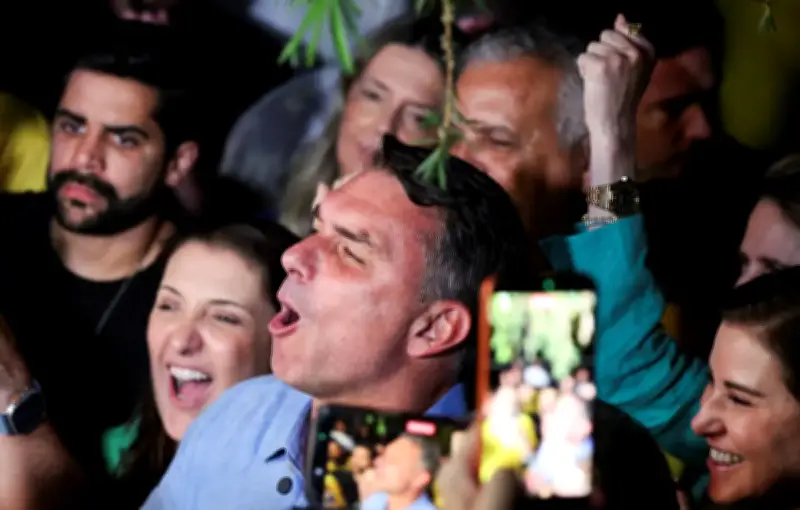
Flávio Bolsonaro's shock first-round win in Brazil's presidential election has left analysts attributing the far-right surge to a complex mix of social, political, and religious factors. The son of former president Jair Bolsonaro will face leftist Luiz Inácio Lula da Silva in a runoff on 25 October.
Evangelical Church and Bolsonarismo
Brazil's evangelical church has expanded dramatically since the 1980s, with evangelical Christians now making up nearly a third of the population. Many evangelical voters, often influenced by church leaders, have backed the radical populist movement built by Jair Bolsonaro and now spearheaded by his evangelical eldest son. As president from 2018 to 2022, Bolsonaro's ultra-conservative policies cemented a lasting alliance with powerful megachurch leaders such as televangelist Silas Malafaia.
“This religious machine … was put at the service of Bolsonarismo: starting with these pastors who have millions of followers on social media, who buy airtime on TV, who lead churches with millions of members, and who turned themselves into canvassers for the Bolsonaro family,” said Bernardo Mello Franco, a political columnist for the Rio broadsheet O Globo.
Urban Violence and Security Populism
Urban violence is another factor that has turbocharged the “far-right windstorm” sweeping Brazil, according to Mello Franco. Rightwing populists such as the pro-gun Bolsonaros offer voters “misguided but easy-to-understand solutions” to high crime rates, such as increased police violence, mass incarceration, and lowering the age of criminal responsibility. “This appeals to an electorate that is scared of violence and crime,” he said.
The leading light of such “security populism” in Latin America is El Salvador's authoritarian president, Nayib Bukele, who has jailed thousands of people, often without due process, in his successful bid to cut murder rates. Mello Franco said El Salvador's “proto-dictator” and his supposedly “magic solutions” had been held up as an inspiration by Bolsonarista politicians during the 2026 campaign. Such hardline proposals have also been boosted by Donald Trump's decision to designate Brazil's two biggest crime groups, Rio's Red Command and São Paulo's PCC, as foreign terrorist organizations. On the campaign trail, Bolsonaro and his allies have vowed to “neutralize narco-terrorists” and chemically castrate rapists.
Lula's Campaign and Age Concerns
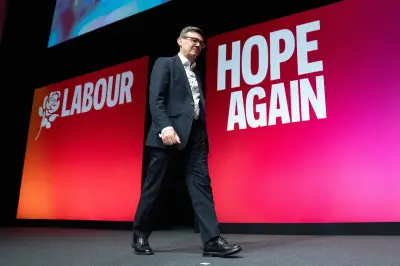
Analysts say Lula's failure to focus on day-to-day issues such as crime may have hurt his prospects. The leftwing veteran spent much of the campaign vowing to defend Brazil's sovereignty from Donald Trump's “colonial” designs and protect its rare earth reserves. “Meanwhile, what voters wanted were solutions to more immediate problems such as bank debts, the cost of food, and insecurity,” Mello Franco said.
Political analyst Thomas Traumann, who was spokesperson for the former leftwing president Dilma Rousseff, believed Lula's third administration had ignored a large chunk of society that was unsatisfied over economic issues or because of controversies involving the supreme court. “The government treated any kind of criticism … as a display of fascism – which undoubtedly exists in Brazil – and elitism, which also exists,” he said. “But what also exists is a group of voters who expected more from the government and who are neither fascists, nor elitists. They are simply people who didn't like the government and decided to punish it.”
Some critics have also pointed to Lula's age as his Achilles heel. He will turn 81 two days after the election's 25 October second round. One recent story in the Economist called Lula “a doddering leftie” and compared him to the “geriatric leader” Joe Biden, who was forced to abandon his 2024 re-election campaign after a disastrous debate performance against Trump. Traumann called questions over Lula's physical or mental state “ridiculous”. Mello Franco agreed: “Unlike Biden, Lula has at no point shown any kind of physical frailty or cognitive impairment. I don't think this was an issue.” But Traumann did see one parallel with the former US president: like Biden, Lula was stubborn, had not listened enough to others, and appeared to have thought decent economic indicators were enough to ensure re-election.
The Global Far-Right Context
Many observers saw Sunday's rightwing victory as another chapter in the global advance of the social media savvy far right. “We're seeing this revolution in many other parts of the world. We're seeing this in the US, we're seeing it in parts of Latin America, we're see this in a different way in Europe,” said Miguel Lagos, a political scientist. Lagos believed that in Brazil, the movement was driven by a deep “rage against the classical political elites” including journalists, traditional politicians, and intellectuals.
Jair Bolsonaro and his son Flávio are career politicians, having spent half a century working in Rio's state legislature or the Brazilian congress. Even so, father and son have managed to portray themselves as Trump-style anti-establishment outsiders. Mello Franco believed Bolsonaro was now the favourite to become president. “But I don't think the contest is over,” he cautioned. “Brazil is always showing us that plot twists aren't just possible – they're practically part of the landscape.”