Beekeeper's Winter Catastrophe: 75-Year Streak Ends with Total Hive Loss
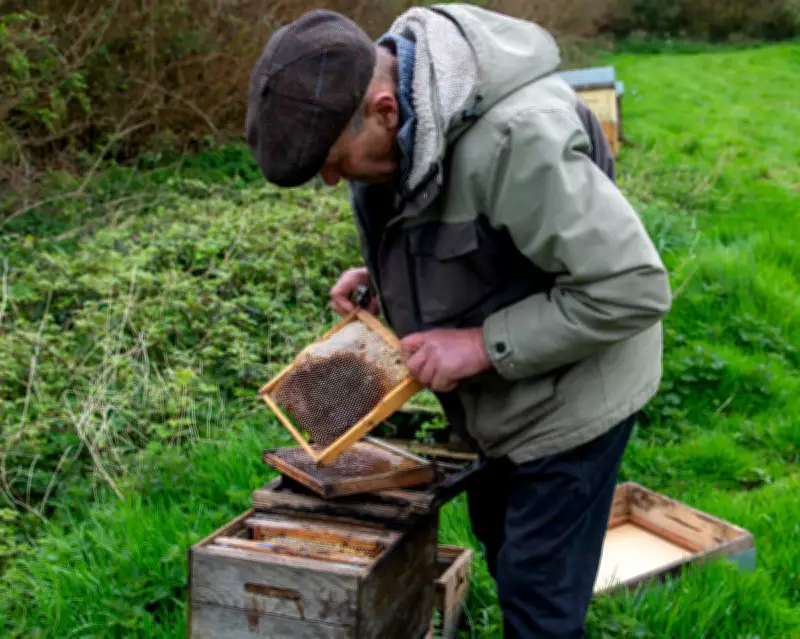
At Haywood farm in St Mabyn, Cornwall, beekeeper Richard Bray tends to his hives, which stand in a crooked line at the edge of an apple orchard, nestled beside a low thicket of nettles. Raised with beekeeping on this very farm, Richard once managed a thriving apiary business with 250 hives. Today, he is left with just seven, and this spring brought a devastating blow: for the first time in 75 years, none of his bees survived the winter.
A Silent Hive and a Sour Smell
Richard lifts the lid of the first hive, releasing a sour smell of old wax and honey. "There's nothing," he says, his voice tinged with worry. "That's very concerning. You'd expect to at least see dead bees in there. But there isn't a bee anywhere." An inspector from the National Bee Unit suggested the loss was likely caused by the varroa mite, a notorious destroyer of bee colonies known for devastating populations. Richard, however, remains uncertain, stating, "I've never had anything like this. Varroa mite? I don't know."
National Concerns and Expert Insights
Ian Campbell of the British Beekeepers' Association confirms that Richard is not alone in his plight. The Association was "significantly surprised" by reports of catastrophic losses across the country. While the full extent remains unclear until annual survey data is released in July, many beekeepers blame a wet January and February. Campbell cautions that weather alone may not explain the losses, noting, "A colony might survive one thing, but throw in a second, and they reach a tipping point."

Other potential factors contributing to the die-off include:
- Pathogens affecting bee health.
- Last year's abnormally long bee season, with an early spring and late autumn, which may have allowed varroa mites more time to establish.
- Disruption in synchronisation between bees' peak population and flower availability.
The Personal Toll and Beekeeping Passion
Richard thuds the lid down on his empty hive, facing the challenge of acquiring more bees at this late stage in the season. When asked what he enjoys about beekeeping, his face lights up. "They're marvellous little insects. How organised they all are. They all have their own duties. And the hives are all different: some are vicious, others I can do without a bee suit and not get a sting." He even stopped wearing gloves, finding that without them, "you go slower. You go more gentle."
As we head back through the orchard for a glass of apple juice, made from last year's crop, the scene underscores the deep connection between beekeeping and the rural landscape. This story highlights not just a personal loss but a broader environmental issue affecting pollinators nationwide.