Bafta is doubling down on preparations for Sunday's television awards ceremony after the broadcast of a racial slur during February's film awards led to a review of event procedures. Organisers are taking the event 'extremely seriously', with additional staff on hand to ensure any potential issues are escalated quickly.
Background to the Controversy
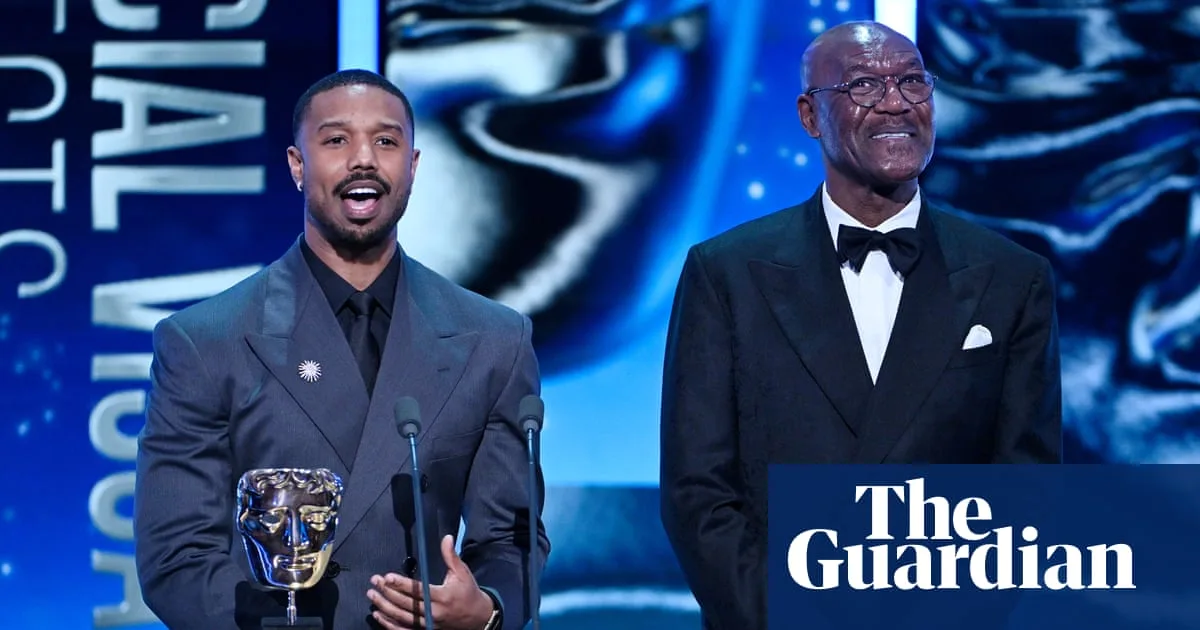
During the Bafta film awards in February, microphones picked up John Davidson, who has Tourette syndrome, involuntarily using the N-word from his seat while actors Delroy Lindo and Michael B Jordan were on stage presenting a prize. The film I Swear, inspired by Davidson's experiences, was nominated for several awards.
Host Alan Cumming apologised immediately, and the word—repeated by Davidson later—should have been edited out as the Baftas are filmed with a delay. However, the production team, located in a truck outside the venue, did not hear the first occurrence and only edited out the second. The incident led to Bafta reviewing its planning and procedures, issuing an 'unreserved' apology. The BBC also apologised, admitting it breached editorial standards and made a 'serious mistake' in not removing the footage from iPlayer until the following morning, which 'aggravated the offence'.
Pressure Intensifies After Cumming Interview
Pressure mounted again after an interview in The Times where Cumming blamed the incident on 'bad leadership … bad people who weren't doing their jobs properly'. He told his agent he did not want to host again. In contrast, this year's host, comedian Greg Davies, told The Times: 'I'm sure they've got it in hand … I don't anticipate any surprises but if there are, we'll be fine, we'll roll with it.'
Enhanced Monitoring and Communication
With 2,000 guests expected at the Royal Festival Hall, including Claudia Winkleman, Jessica Gunning, Paapa Essiedu, and Stephen Graham, the event is hugely complex. Bafta, an arts charity with a relatively small events team, has been working closely with production partner Penny Lane and the BBC to establish clear communication protocols.
The Guardian understands that the broadcast will be monitored more closely than in the past, with any incidents recorded and communicated via WhatsApp and the 'talkback' system. Issues will be numbered or time-coded and cross-referenced, with follow-ups if necessary. The three-hour ceremony starts earlier than the BBC broadcast to allow for edits, but by the end of the two-hour programme, the production team is often editing almost live due to over-running speeches.
One insider noted that the question 'Is it still on iPlayer?' will be on everyone's minds if anything untoward is broadcast, with calls made up the chain of command about removals. The BBC's editorial guidelines emphasise the need for clear editorial control and monitoring of output.
Lessons from Recent Ceremonies
Bafta has re-tested its event management procedures at recent gaming and craft award ceremonies, which were not broadcast but were successful. Discussions have already taken place with Penny Lane about next year's film awards, though those plans will likely be informed by Sunday's TV awards.
A Bafta spokesperson said that in addition to the 'full apology' issued, 'we have put in place measures to strengthen and improve our processes. We are focused on delivering a really great event on Sunday night.'