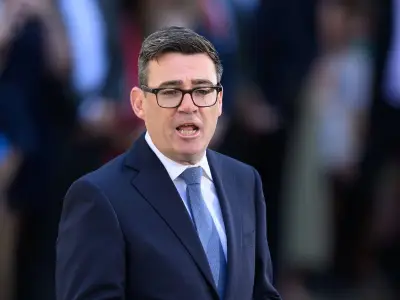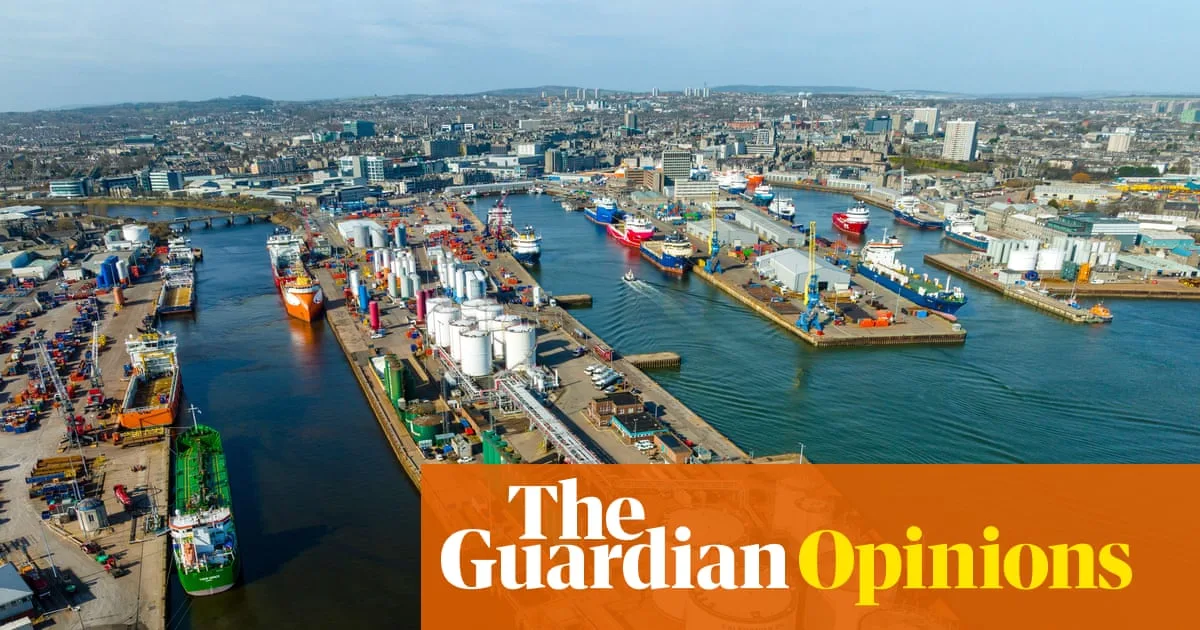
The coming byelection in Aberdeen South, triggered by SNP's Stephen Flynn moving to Holyrood, is emerging as a key test for energy politics in the UK. While Westminster focuses on Andy Burnham's contest in Makerfield, the Aberdeen South vote on 18 June will gauge public sentiment on North Sea oil and gas production amid rising energy prices and job losses.
Labour, which finished second in the 2024 general election largely due to anti-Tory tactical voting, is not expected to perform strongly. The SNP and Labour both support net zero targets, but the SNP has equivocated on increased drilling in response to the Middle East crisis. First Minister John Swinney has called for greater Holyrood control over energy policy, reviving 1970s slogans about 'Scotland's oil' for the renewables age.
The Scottish Conservatives and Reform UK are framing the byelection as a local referendum on reviving oil and gas production beyond Westminster-imposed limits. Reform's 'drill, baby, drill' stance may be too extreme for voters aware of the need for a clean-energy transition, but soaring energy prices and oil industry job losses give Conservative leader Kemi Badenoch a chance for a morale-boosting victory on SNP turf.

The backdrop includes the extraordinary spectacle of Nicola Sturgeon's ex-husband Peter Murrell behind bars after admitting to stealing SNP funds, which may make an upset more likely. Ahead of a UK general election where the right will seek to portray net zero as an unsustainable burden, the government should treat the revived debate as a warning.
Greater resources are needed for a faster, more equitable transition. According to Robert Gordon University's Energy Transition Institute, UK oil and gas employment fell by 70,000 to 115,000 over the past decade, while 39,000 clean-energy jobs were created. Two years ago, Sir Keir Starmer pledged that GB Energy, located in Aberdeen, would 'kickstart a UK-wide clean-energy revolution', but communities fear painful decline akin to 1980s deindustrialisation.