

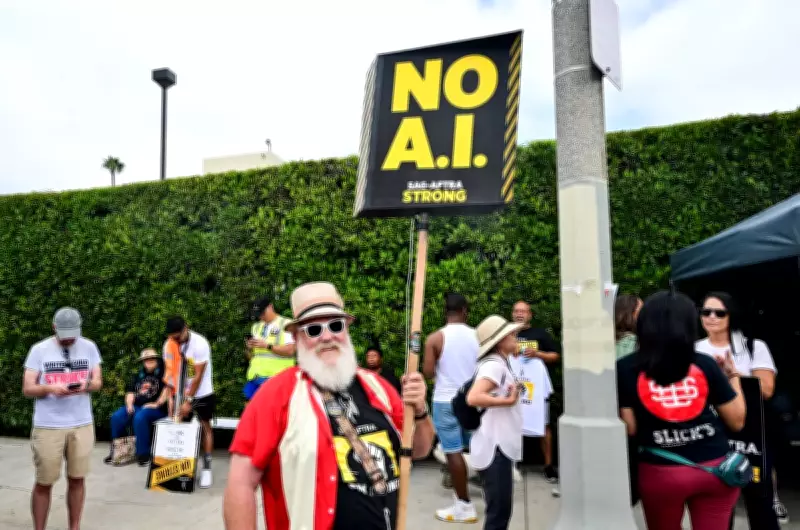
Labour unions across the United States are intensifying their demands for workers to be included in the development of artificial intelligence (AI) policies, warning that without their input, the technology could lead to widespread job losses and increased exploitation.
Union Concerns Over AI's Impact on Workforce
At a recent summit in Washington, union leaders from various sectors, including manufacturing, logistics, and services, voiced concerns that AI is being implemented without adequate consideration for its effects on employment. They argue that workers are often the last to know about AI adoption in their workplaces, leaving them vulnerable to sudden job changes or termination.
"AI is transforming industries at an unprecedented pace, but workers are being left out of the conversation," said Maria Hernandez, president of the National Workers Alliance. "We are not against technology, but we demand a say in how it is used to ensure it benefits everyone, not just corporate profits."

Key Demands from Unions
The unions have put forward several key demands to policymakers and employers:
- Mandatory consultation: Employers must consult with unions before implementing AI systems that could affect jobs.
- Transparency: Companies should disclose how AI is used in hiring, monitoring, and decision-making processes.
- Retraining programs: Government-funded retraining initiatives for workers displaced by AI.
- Data protection: Stronger safeguards for worker data collected by AI systems.
These demands come as a growing number of studies predict that AI could automate up to 30% of current jobs in the US by 2030, with lower-income workers being disproportionately affected.
Legislative Push
Several Democratic lawmakers have expressed support for the unions' stance. Senator Elizabeth Warren introduced a bill that would require companies to conduct impact assessments before deploying AI in the workplace. The bill also includes provisions for worker representation on AI oversight boards.
"Workers deserve a voice in the technologies that shape their livelihoods," Senator Warren said. "We cannot allow AI to become a tool for corporate control without accountability."
However, business groups have pushed back, arguing that excessive regulation could stifle innovation and hinder economic growth. The US Chamber of Commerce warned that mandatory consultation requirements could slow down AI adoption and put American companies at a competitive disadvantage globally.
International Context
The US debate mirrors similar discussions in Europe, where the European Union is developing its AI Act, which includes provisions for worker rights. In the UK, unions have also called for a "right to disconnect" from AI-driven monitoring systems.
Experts suggest that the outcome of this policy debate could set a precedent for how AI is regulated in the workplace worldwide. "What happens in the US will have ripple effects across the global economy," said Dr. James Kim, a labour economist at Georgetown University. "If workers are given a meaningful role, it could lead to a more equitable distribution of AI's benefits."
As the summit concluded, union leaders vowed to continue their campaign, planning nationwide rallies and lobbying efforts to ensure their voices are heard before AI policies are finalized.






