
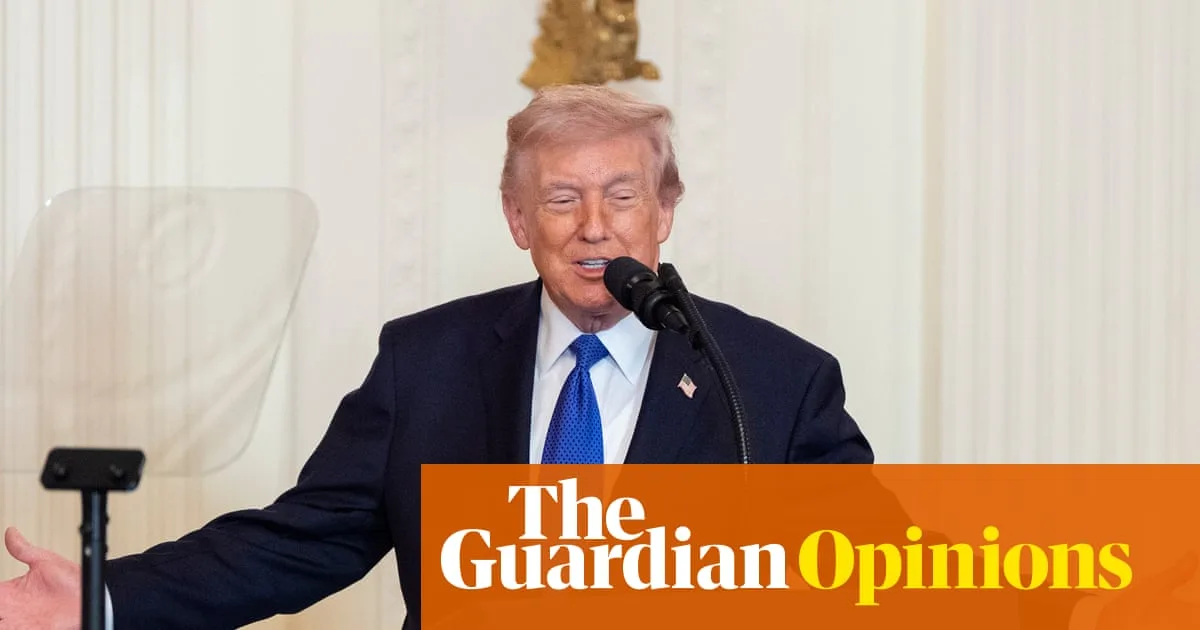
Donald Trump's efforts to secure the Nobel Peace Prize have fallen short, prompting a pivot towards military action. The US president, who had lobbied extensively for the award, has instead ordered strikes on Iran and kidnapped the Venezuelan president, according to reports.
The bombing of Iran came on Saturday, with US officials claiming Iran had waged a 47-year one-way war against America. Pete Hegseth, a Trump administration figure, said the action was justified. However, critics note that Trump has previously claimed to have ended eight other wars, and no clear plan exists for the aftermath of the strikes.
UK Prime Minister Keir Starmer faced a difficult decision amid the escalating conflict. After initially choosing not to join US and Israeli attacks, he authorised the use of British bases for defensive actions following an Iranian attack on a Cyprus airbase. Starmer described the decision as a two-part response to enhance defensive capabilities, emphasising the importance of international law and learning from past UK failures in Iraq, Afghanistan, and Libya.
Starmer's stance drew criticism from both left and right MPs, with some accusing him of betrayal. Conservative leader Kemi Badenoch labelled the government weak, saying the UK had become a laughing stock. Badenoch argued that had she been prime minister, she would have supported joining the US attacks.
The conflict threatens years of instability, as Trump has admitted that his second and third choices to succeed Ayatollah Khamenei were killed in the bombings. With no clear successor or democratic elite ready to take over, analysts warn of prolonged sectarian fighting.




