
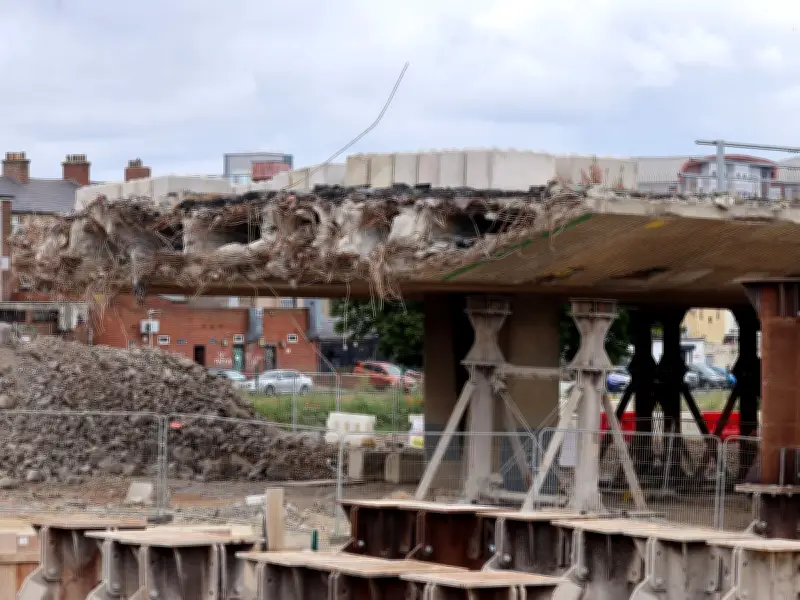
The cost of demolishing the Gateshead Flyover has surged to approximately £31 million, far exceeding the original budget. Gateshead Council now faces a shortfall as it scrambles to secure additional funds.
Budget Overrun and Funding Gap
Originally, the council set aside £18 million for the demolition in March 2025 under the previous Labour administration, which was later ousted by Reform UK in May’s local elections. North East mayor Kim McGuinness had also pledged £2.5 million. However, the council confirmed on Wednesday that the estimated cost has risen to about £31 million.
Council leaders are in renewed talks with the government to obtain extra money. The Department for Transport confirmed discussions regarding a bid to the £1 billion Structures Fund, with an application deadline next week. That bid would involve replacing the demolished flyover with a new road layout, including signalised junctions and segregated active travel links.
Demolition Progress and Impact
The A167 flyover has been closed since December 2024 due to fears of collapse. Demolition began in earnest this April and is scheduled for completion by October. The Park Lane roundabout is currently closed for 24/7 removal works, described as the most complex stage of the operation.
Anneliese Hutchinson, the council’s strategic director for economy, innovation and growth, said: “The demolition has been described as the most complicated project of its type in the country. This is the culmination of over a year's worth of work involving many experts over the country whilst we found the best method to demolish the flyover safely whilst keeping the roads and Metro open.”
She noted that decisions like overnight work to keep traffic moving added to costs. The total also includes demolition of Computer House and site restoration. All costs have been independently scrutinised by construction finance specialists, who confirmed they are fair and appropriate.
Council’s Financial Position
Financial reports from earlier this month show the council’s spending allocation for the demolition in 2026/27 increased from £11.7 million to £24 million, on top of over £6 million spent in the previous financial year. Despite the rise, Hutchinson said the programme remains on schedule.
She added: “The council has identified the funding it needs to do this work, because it needs to be done for safety reasons and it is the right thing to do for Gateshead’s future. But we are very keen, as well, to continue those conversations about where else funding can come from.”
Historical Context and Future Plans
The council argues the government should help pay because the flyover was built in the 1960s as part of national highways infrastructure, originally carrying the A1. It was meant to connect to a new Tyne bridge that was never built, and responsibility later passed to the council.
A Department for Transport spokesperson said: “At last year's Spending Review, we announced a £1 billion Structures Fund to help local authorities repair and replace ageing bridges, flyovers and tunnels as part of our wider £24 billion investment in maintaining and improving roads across the country. We have been working with local authorities, including Gateshead Council, to help develop proposals ahead of the application deadline. We will consider all applications received and announce successful schemes in the autumn.”
The council has warned that the road beneath the flyover, linking the Five Bridges and Park Lane roundabouts, will remain closed after demolition due to damage sustained during works. It plans to involve local people in discussions about the long-term future of the route in the coming months.




