

The Rising Threat to War Reporters and the Fight for Truth in Conflict Zones
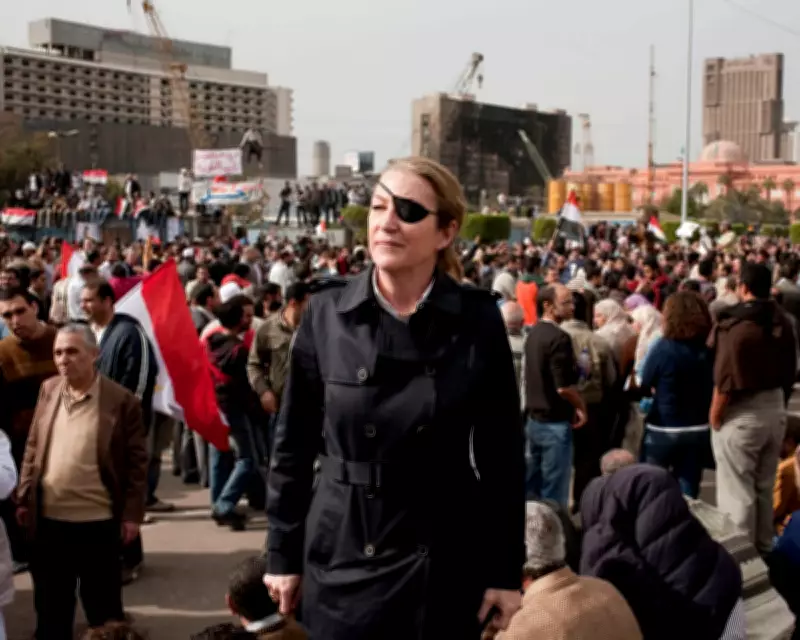
My friend was killed for telling the truth. Now, powerful entities are more desperate than ever to silence voices like hers. Marie Colvin, a fearless Sunday Times reporter, lost her life in Homs, Syria, in 2012, and her death marked a turning point in how journalists are perceived in war zones.
A Personal Loss and a Global Warning
In 2012, shortly after Marie Colvin's death, I sought help from Terje Rød-Larsen, a Norwegian diplomat, to retrieve her body from the fierce conflict in Syria. Unbeknownst to me, Rød-Larsen forwarded my request to Jeffrey Epstein, hinting at shadowy connections. This strange reminder underscores the complex, often dangerous web surrounding war reporting.
Colvin dedicated her career to highlighting the civilian cost of war, paying a heavy price with physical and emotional trauma. In Sri Lanka, she lost an eye; in Syria, she lost her life. An American court later confirmed she was targeted by Assad's forces, not a victim of random shelling. This shift from observer to target has defined modern journalism.

The Changing Landscape of Journalism
Fourteen years after Colvin's death, journalism faces unprecedented challenges. It's not just about empty newsrooms or AI replacing analysis; the real risk is the manipulation and masking of truth. In Gaza, international reporters are banned, and local Palestinian journalists have suffered immensely, with at least 248 killed by Israeli forces in 2025 alone.
Reporters Without Borders declared 2025 the deadliest year ever for journalists, emphasizing that they are not just dying but being killed, fueled by hate and impunity. From Russia targeting reporters in Ukraine to criminal organizations hunting journalists in Mexico, the threat is global and growing.
Disinformation and the Battle for Narratives
At the Munich security conference, I discussed with Alina Kharysava how disinformation thrives in vacuums left by restricted access. Fighting propaganda from Israel or the Kremlin requires ground-level evidence. At The Reckoning Project, we train local journalists to collect legally binding testimonies from atrocity survivors, used in court and to counter false claims.
In Sudan, despite satellite imagery, propaganda denies mass graves and sexual violence. Similarly, Israeli narratives often dismiss starvation in Gaza or the death of six-year-old Hind Rajab, despite forensic investigations proving otherwise. Access is power, and without it, governments shape their own stories.
The Consequences of Denied Access
When reporters cannot enter war zones independently, the public is forced to choose sides, leading to polarization and societal division. In the past, journalism could influence policy, as seen in Kosovo in 1999. Today, without access, bloggers and conspiracy theorists distort reality, and accountability vanishes.
Marie Colvin died as a witness in the heart of battle, reminding us of the urgency to preserve truth. When borders close, disinformation flourishes, and lies can dictate reality. As a war correspondent and executive director of The Reckoning Project, I urge that we must continue to fight for access and truthful narratives in conflict zones worldwide.






