Media Coverage of Violence Against Women Reaches 'Pitiful' Levels, Study Finds
A comprehensive global report has uncovered a startling decline in media attention towards violence against women and girls, describing the current state of coverage as "dismal" and "pitiful." The analysis, which scrutinised 1.14 billion online stories published worldwide between 2017 and 2025, found that the proportion of articles referencing misogynistic abuse terms plummeted to a mere 1.3% of all global online news in 2025. This marks the lowest level recorded during the nine-year period, with coverage having peaked at 2.2% in 2018, coinciding with the height of the #MeToo movement.
Epstein Coverage Lacks Focus on Gender Inequality
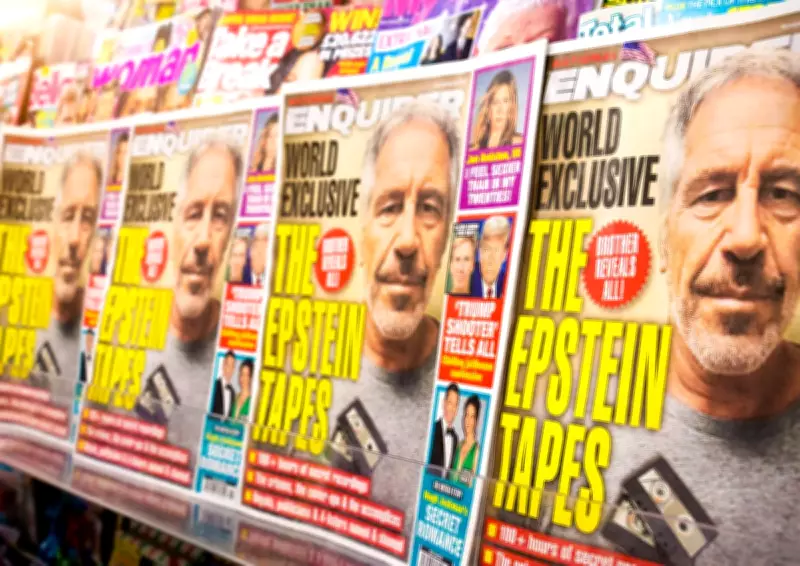
In a particularly revealing segment, the report examined nearly one million articles related to Jeffrey Epstein from 2017 to February 2026. Shockingly, only 0.1% of these pieces included the term "violence against women." In contrast, 25% mentioned "victims," and 26% referenced themes such as "power," "money," "elites," or "corruption." Luba Kassova, the lead author of the report, emphasised that this oversight means news coverage fails to address the root causes of the problem, with the gender-inequality lens largely absent from the Epstein narrative.
Global Disparities and Digital Threats
The decline in coverage is not uniform across regions but is especially concerning in areas like Africa, where coverage sank to a nine-year low of 1.18% in 2024, despite multiple conflicts involving extreme levels of sexual violence. Meanwhile, as the world becomes increasingly digital, the report highlights an alarming expansion in online gender-based violence. Research suggests that up to 60% of women globally have experienced this type of abuse, yet media attention remains insufficient.

Male Voices Dominate Misogyny Stories
When misogyny-related stories do appear, men's perspectives overwhelmingly dominate. The study found that 1.5 men are quoted for every one woman in such articles, a gap that is widening. Sarah Macharia from the Global Media Monitoring Project noted that of the experts quoted in stories about gender-based violence, 24% were men compared to 17% women, perpetuating narratives that often sexualise and objectify survivors.
Rise of 'Gender Ideology' and Recommendations for Change
Interestingly, while overall coverage of misogyny-related terms declined, references to "gender ideology"—a contested term promoted by anti-gender equality movements—soared by a factor of 42 between 2020 and 2025, largely driven by US media. To combat these trends, the report recommends putting female journalists and editors in charge of shaping coverage, centring victims and survivors in stories, and exposing the structural gender inequalities that enable abuse. Professor Julie Posetti, who contributed to the research, called for urgent, wide-scale change in media norms to address this critical issue effectively.