
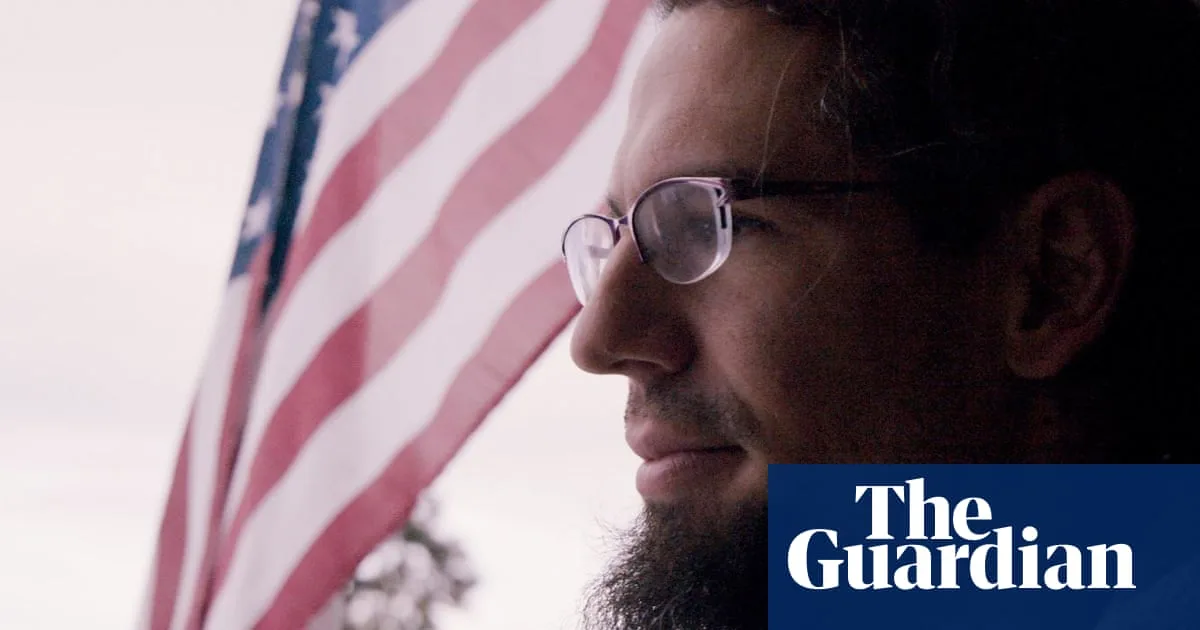
A US military veteran arrested on federal conspiracy charges after taking part in a June 2025 protest against US Immigration and Customs Enforcement (ICE) has said he will not plead guilty and is prepared to face trial. Bajun Mavalwalla, 36, a former army sergeant who served in Afghanistan, told the Guardian that the right to protest is 'fundamentally American' and that he believed he was protecting such rights when he joined the military.
Mavalwalla faces up to six years in prison, three years of supervised release and a $250,000 fine for allegedly conspiring to 'impede or injure a federal officer' during a demonstration in Spokane, Washington. The protest on 11 June 2025 sought to block the transport of two Venezuelan immigrants arrested by ICE at a routine immigration hearing. Mavalwalla pleaded not guilty and was arrested by the FBI in July.
The protest was confrontational at times, with a government vehicle damaged and demonstrators linking arms against masked federal agents. However, Mavalwalla was not among the two dozen people arrested at the scene. A month later, federal prosecutors brought conspiracy charges against nine demonstrators, a move legal experts described as an escalation in the Trump administration's crackdown on free speech rights.
Richard Barker, the acting US attorney in eastern Washington at the time, resigned rather than sign the indictment, stating that 'nobody was hurt' and that the charge did not align with his ethical standards. Barker noted that the justice department had sent a memo prioritising prosecutions of anti-ICE protesters following the incident. The Department of Justice said it respects the right to peaceful protest but will not tolerate obstruction of lawful immigration operations.
A video of the protest shows Mavalwalla briefly jostling with agents before demonstrators linked arms to block a gate. In a related development, US district judge James Robart ordered the release of one of the arrested migrants, ruling his detention unconstitutional, while the other migrant was deported. Mavalwalla's case has drawn outrage from fellow veterans who view his prosecution as undemocratic.




