
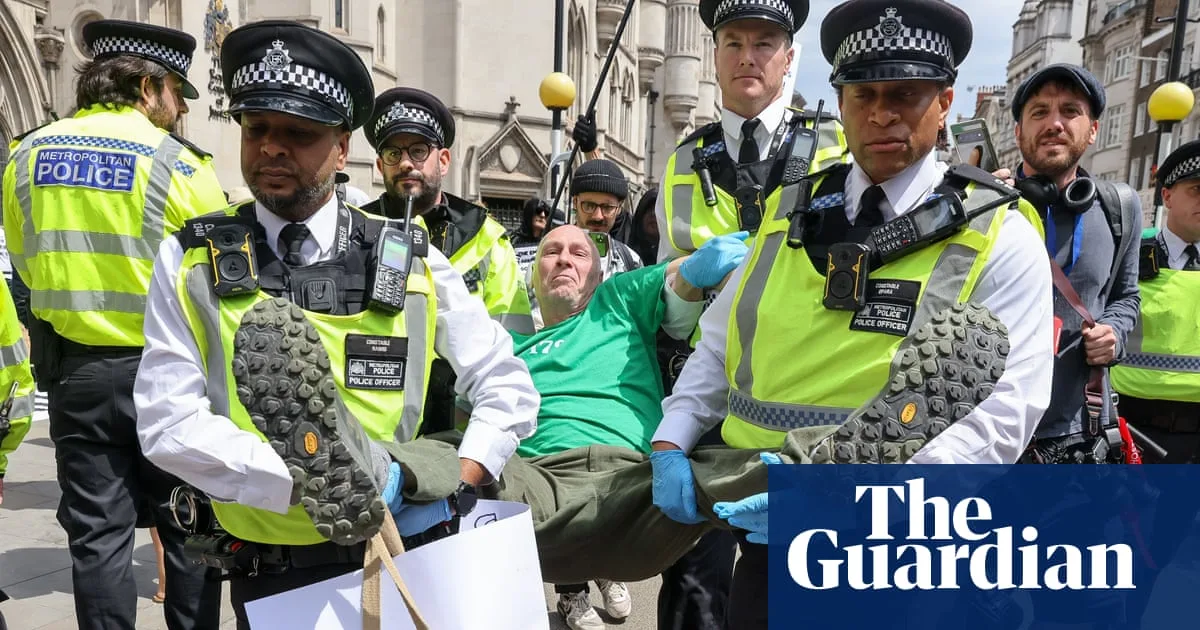
The Court of Appeal has upheld the British government’s proscription of the protest group Palestine Action, sparking renewed debate over the limits of the right to protest in the UK. The ban, initially imposed under the Terrorism Act 2000, was challenged by the group but upheld in a ruling on 15 June.
Critics argue the decision was politically motivated. One letter writer noted that the former home secretary Yvette Cooper decided to ban the group after members spray-painted “Gaza Is Not 4 Sale” on Donald Trump’s Turnberry golf course in March 2025. Trump later praised Prime Minister Sir Keir Starmer for catching “terrorists,” leading to speculation that Starmer’s desire to please Trump influenced the ban.
The proscription order linked Palestine Action to two violent groups with no known UK activity: Maniacs Murder Cult and Russian Imperial Movement. The writer questioned whether parliament would have approved the ban without this connection, as police officers had never heard of the former group.
Another letter highlighted flaws in the court judgment, noting it did not consider whether arms manufacturer Elbit Systems’ activities in Palestine could be unlawful, nor the findings of the UN commission of inquiry that Israel may have committed genocide. The writer compared Palestine Action’s property-focused protests to those of suffragettes and anti-apartheid activists.
A supporter charged under section 13 of the Terrorism Act for displaying support for Palestine Action called for amendments to the 2000 Act, arguing it restricts fundamental freedoms and is broader than international definitions of terrorism. The letter urged focus on Palestinian suffering and opposition to Israeli government actions.




