

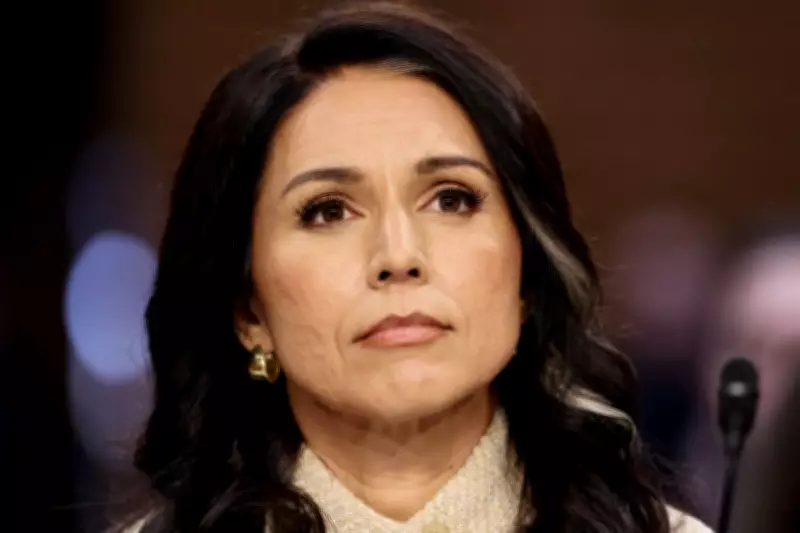
Tulsi Gabbard, the US director of national intelligence, has submitted her resignation to President Donald Trump, effective 30 June, citing the need to support her husband after his recent cancer diagnosis. However, reports suggest the White House forced her departure, driven by her resistance to US foreign interventions and disagreements over Iran's nuclear program.
Loyalty and Conflict
Gabbard remained loyal to Trump, even promoting his conspiracy theories about past elections. She accused former President Barack Obama and his officials of a 'treasonous conspiracy' over Russian interference claims and appeared at an FBI raid in Georgia regarding 2020 ballots. Yet her anti-interventionist views clashed with Trump's aggressive foreign policy.
Iran Nuclear Dispute
Gabbard repeatedly drew Trump's anger for her handling of intelligence on Iran's nuclear capabilities. Last June, when Trump supported Israel's surprise attack on Tehran, he pressured her to change her assessment that Iran was not building a nuclear weapon. In March 2025, Gabbard testified to Congress that US intelligence agencies assessed Iran was not building a nuclear weapon, contradicting Trump's claims that Tehran was weeks away from producing a bomb.

Sidelined from Policy
By February, Gabbard was excluded from planning for operations against Venezuela and largely sidelined from White House meetings on the Iran war. Her top aide, Joe Kent, resigned in protest, calling the war unjustified and driven by Israeli pressure. This left Gabbard isolated within the administration.
Trump's Broken Peace Pledge
Trump campaigned as a 'candidate of peace' but launched wars against multiple countries, including Iran, after taking office. The US-Israeli war on Iran began on 28 February, leading to regional escalation and disruption of global oil supplies. Gabbard's presence reminded Trump of his broken promise and the failure to topple Iran's regime.
Intelligence Assessments
Independent experts and UN monitors agreed with Gabbard's assessment that Iran had not taken steps to produce a nuclear weapon. Trump's claims echoed the manipulated intelligence used to justify the 2003 Iraq invasion. Under pressure, Gabbard later changed her tune, saying Iran could develop a weapon 'within weeks to months,' but she had already lost Trump's confidence.
In the end, Gabbard could not overcome working for a boss who demands absolute loyalty but offers little in return. Her resignation marks the end of a tenure defined by conflict over foreign policy and intelligence integrity.






