
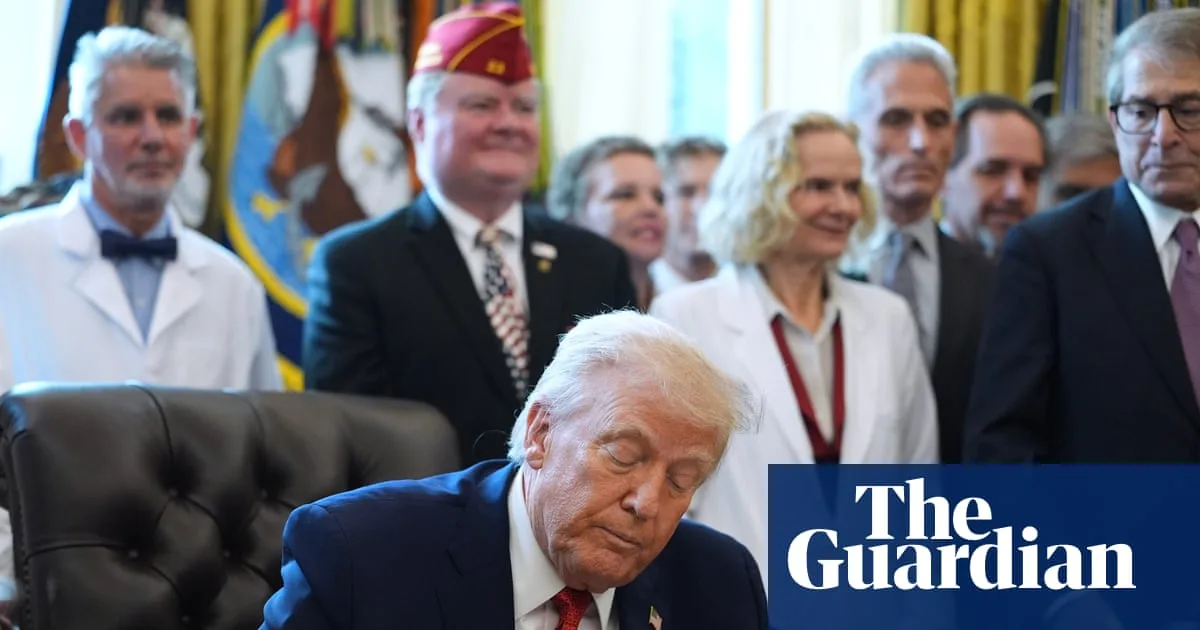
Donald Trump has signed an executive order reclassifying cannabis from a Schedule I to a Schedule III controlled substance, a move that loosens restrictions on research and certain regulations but stops short of legalising marijuana nationwide.
Speaking from the Oval Office, the president said the order would make it easier to conduct medical research into the benefits and potential dangers of marijuana. The change also introduces a pilot programme to reimburse Medicare patients for products containing CBD, a non-psychoactive cannabis compound.
The reclassification aligns marijuana with prescription painkillers like ketamine, rather than heroin. However, recreational use remains illegal at the federal level, and the change will still need to go through the Drug Enforcement Administration’s formal rule-making process. It does not alter how law enforcement handles marijuana-related arrests.
The order directs the Department of Health and Human Services to develop research methods using real-world evidence to study the long-term health effects of medical marijuana and hemp-derived cannabinoid products. It also calls on Congress to expand access to full-spectrum CBD products while restricting those that pose serious health risks.
Paul Armentano, deputy director of the National Organization for the Reform of Marijuana Laws (Norml), said the order “validates the experiences of tens of millions of Americans” who recognise cannabis’s medical utility. However, he added that it “falls well short of the changes necessary to bring federal marijuana policy into the 21st century”, noting that 24 US states have already legalised recreational use.
Pew research indicates that 57 per cent of Americans believe cannabis should be legal for both medical and recreational purposes, while 32 per cent support medical use only.




