

Trump Administration Employs Intimidation to Silence Critical Media
The Trump administration has adopted a disturbing strategy to suppress free speech by leveraging federal agencies to intimidate and silence critical media coverage. This approach involves launching pretextual investigations against perceived enemies, keeping them open to coerce compliance, and resisting judicial review of the agencies' actions.
FTC's Retaliatory Investigation of Media Matters
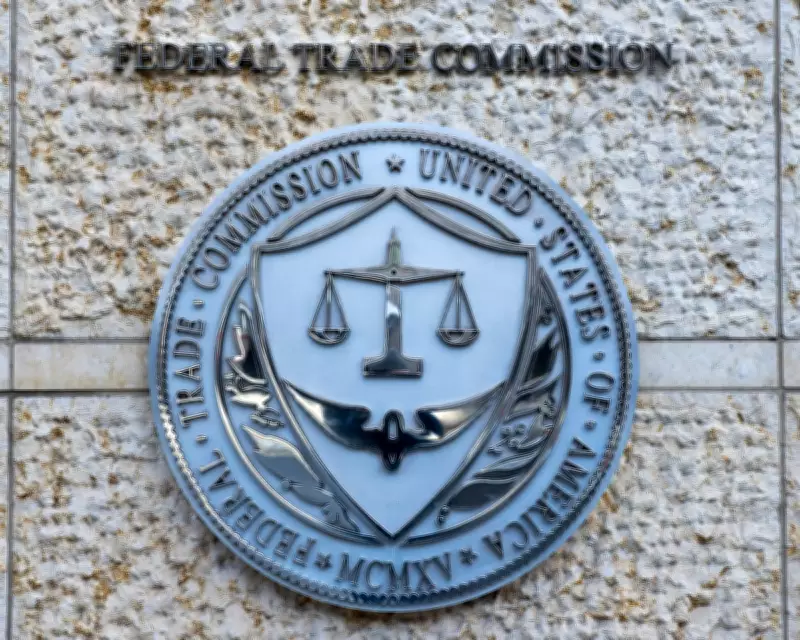
A prime example is the Federal Trade Commission's investigation into Media Matters for America, a media watchdog organization. In 2023, Media Matters published an article highlighting how advertising from major companies like Apple and IBM appeared alongside pro-Nazi and antisemitic content on X, formerly Twitter. Elon Musk, the platform's owner, responded with a lawsuit against Media Matters, alleging defamation.
Following calls from White House deputy chief of staff Stephen Miller, conservative state attorneys general in Missouri and Texas initiated investigations. The FTC then sought extensive details from Media Matters, including its reporting methods, communications with third parties, and six years of financial information, potentially exposing donors. FTC Chairperson Andrew Ferguson explicitly targeted what he termed "the radical left," leading a federal district court to conclude the investigation violated the First Amendment.

Broader Pattern of Anti-Speech Campaigns
This tactic of retaliatory investigation is not isolated. Other federal agencies, such as the Department of Justice and the Federal Communications Commission, have mirrored this strategy. For instance, the DOJ is using the Face Act, originally designed to protect abortion clinics, to prosecute journalists like Don Lemon and Georgia Fort for reporting on a protest at a church in St. Paul. The charges are based on flimsy grounds, such as Lemon interviewing protestors and asking tough questions, with Fort allegedly violating the law merely by standing beside him.
Similarly, the recent search of Washington Post reporter Hannah Natanson's home and seizure of her devices, including an encrypted Signal account with over 1,000 confidential sources, demonstrates a chilling intent to halt investigative journalism. A federal judge criticized prosecutors for ignoring protections under the Privacy Protection Act, revealing the government's attempts to obtain broader warrants that were previously rejected.
Impact on Journalists and Non-Profits
These actions create a culture of fear, particularly affecting non-profit organizations that rely on free speech to provide critical information. In Media Matters' case, employees have become hesitant to investigate related public figures due to fears of further retaliation. A coalition of 17 non-profit organizations, including the Press Freedom Defense Fund and the Electronic Frontier Foundation, filed an amicus brief in the DC Circuit Court of Appeals to support a preliminary injunction protecting Media Matters' speech rights.
The Department of Homeland Security has also deployed administrative subpoenas to unmask anonymous social media accounts critical of immigration agents, undermining the long-standing right to speak anonymously protected under the First Amendment. Historical precedents, such as the Federalist Papers published under pseudonyms, highlight the importance of anonymity in shielding individuals from retaliation.
Conclusion: A Strategy of Fear and Intimidation
None of these actions by the Trump administration are intended to uphold legal principles; rather, they aim to punish and intimidate. From the Lemon and Fort prosecutions to the Natanson search and the FTC investigation, the goal is to instill fear and chill free speech. However, as advocates and media organizations rally behind efforts like the amicus brief, the message is clear: the administration seeks to instill fear, but we will not be chilled.






