
A decision by a three-judge panel of the US Ninth Circuit Court of Appeals, which lifted a block on President Donald Trump’s planned deployment of Oregon National Guard troops to Portland, may be reconsidered by a larger panel. Hours after the 2-1 ruling on Monday, a judge on the court formally requested a vote on whether the case should be reheard.
The request triggers a process requiring lawyers for Oregon and Portland to submit briefs arguing for a rehearing, and lawyers for the Trump administration to argue against it, by midnight on Wednesday. All 29 active judges on the appeals court will then vote on whether to rehear the case.
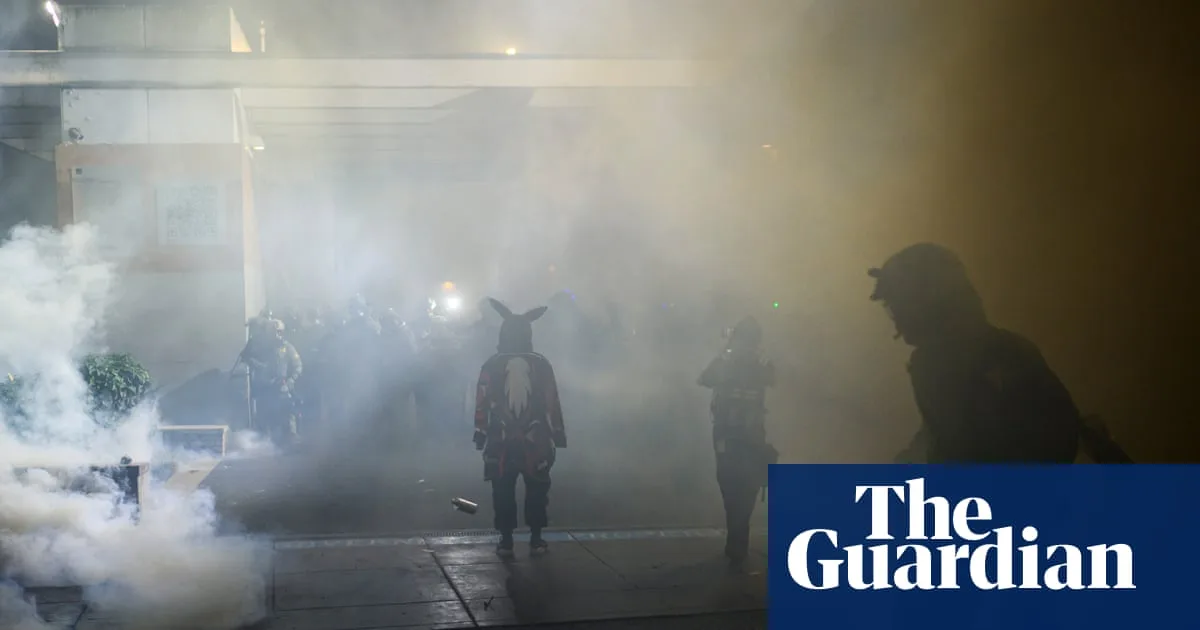
Oregon’s governor, Tina Kotek, expressed concern over the panel’s decision and urged the Trump administration to send all National Guard members home. The dissenting judge, Portland-based Susan Graber, also called for the full court to vacate the majority’s order, describing the ruling as having “no legal or factual justification”. Graber, a Clinton appointee, noted that protesters were wearing inflatable frog costumes, contradicting claims of a “war zone”.
The initial panel comprised two Trump appointees, who voted to allow the deployment, and one Clinton appointee, who voted against. If a rehearing is granted, 11 judges—including the chief judge and ten randomly assigned judges—would hear the case. Of the 29 eligible judges, 16 were nominated by Democratic presidents and 13 by Republicans.
The ruling effectively allows Trump to maintain control over the state’s National Guard until litigation concludes, though troops may not arrive immediately. The case stems from a memo issued by Defence Secretary Pete Hegseth on 28 September, ordering 200 Oregon National Guard members into federal service for 60 days, following Trump’s demand for a military deployment to Portland. City and state officials filed suit to block the move, arguing there was no insurrection justifying intervention.




