

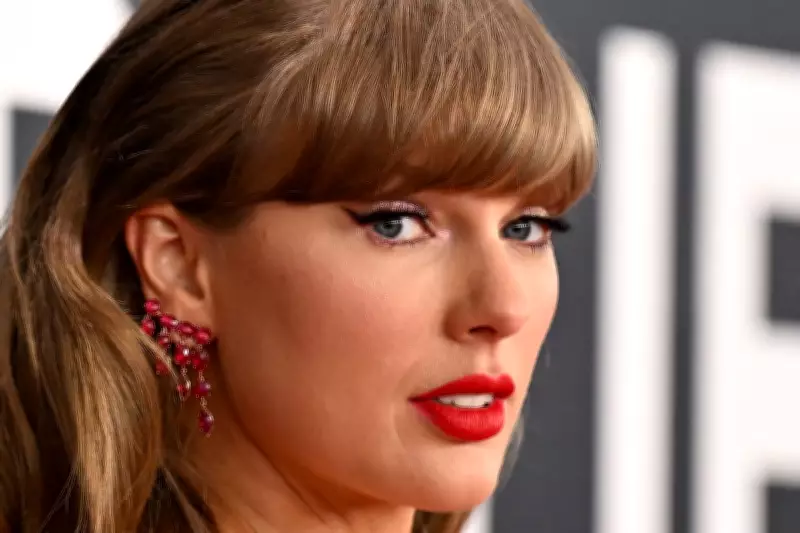
Taylor Swift has taken legal steps to protect her identity from artificial intelligence by filing trademark applications for her voice and likeness. The pop superstar submitted two sound trademarks for phrases including 'Hey, it’s Taylor Swift' and 'Hey, it’s Taylor', alongside an image trademark of herself holding a pink guitar during her 'Eras' tour. These filings are widely seen as a proactive measure against the growing threat of AI-generated deepfakes.
Legal Strategy Against Unauthorized AI Content
Intellectual property attorney Josh Gerben suggests that these trademark filings are designed to provide Swift with additional legal grounds to pursue claims against unauthorised AI-generated content. By securing exclusive rights to these specific vocal and visual identifiers, Swift could more effectively challenge deepfakes that misuse her persona.
This move follows a similar action by actor Matthew McConaughey, who was granted a trademark for his catchphrase 'alright, alright, alright' in an effort to protect his identity from AI misuse. McConaughey's legal team stated that while they embrace AI technology, they believe in establishing clear boundaries to protect individual voice, image, and intellectual property in the rapidly evolving AI landscape.

Broader Implications for Celebrity Rights
The trend of celebrities trademarking their distinctive traits reflects increasing concerns over AI's ability to replicate human likeness and voice without consent. As deepfake technology becomes more sophisticated, legal frameworks are being tested to safeguard personal identity. Swift's proactive approach may set a precedent for other public figures seeking to defend their digital selves against unauthorised exploitation.
These filings underscore the growing intersection of intellectual property law and artificial intelligence, highlighting the need for updated regulations to address the challenges posed by generative AI. While the applications are pending, they signal a significant step in the ongoing battle to maintain control over one's own image and voice in the digital age.






