

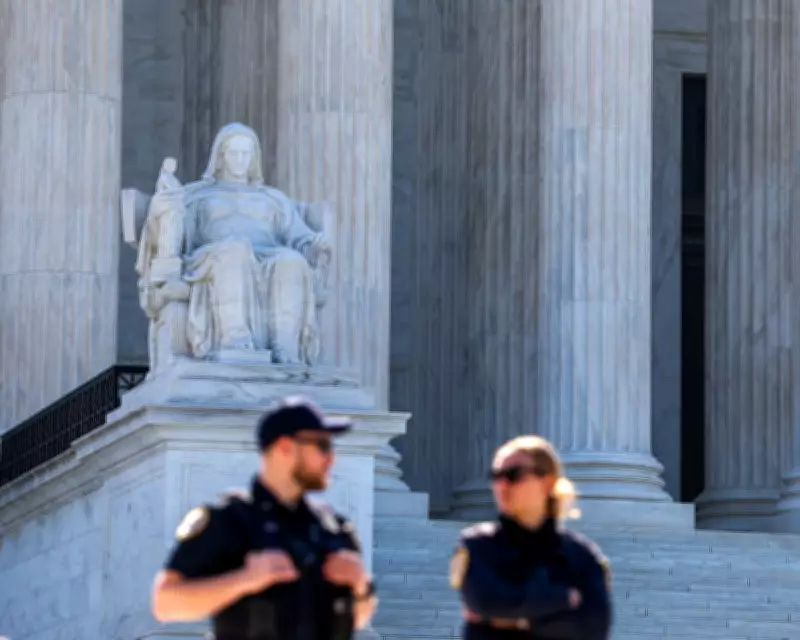
The United States Supreme Court has issued a landmark ruling that requires Louisiana to redraw its congressional map, effectively dismantling a key provision of the Voting Rights Act of 1965. The 6-3 decision, split along ideological lines, significantly weakens Section 2 of the Act, which has long been a crucial tool in preventing racial discrimination in voting and ensuring fair representation for minority voters.
Impact on Voting Rights
This ruling marks a major upheaval in US civil rights law. It grants lawmakers the authority to design electoral districts that can diminish the influence of Black and other minority voters. Legal experts warn that some states may expedite redistricting efforts ahead of the upcoming midterm elections, potentially further marginalizing minority communities.
White House Reaction
The White House celebrated the decision as a complete victory. Spokesperson Abigail Jackson stated, "The color of one's skin should not dictate which congressional district you belong in." President Donald Trump, when asked by reporters whether states should redraw their maps in response, replied, "I would."

Condemnation from Civil Rights Groups
Opposition to the ruling was swift and strong. The National Association for the Advancement of Colored People (NAACP) called it a major setback for the nation. Former President Barack Obama warned that the decision allows state legislatures to gerrymander districts to systematically dilute the voting power of racial minorities, as long as they frame it as partisanship rather than explicit racial bias.
Other Key Stories
- Hegseth Defends Iran War Costs: Defense Secretary Pete Hegseth denied the US-Israel conflict in Iran is a quagmire, requesting $1.5 trillion in military spending while criticizing lawmakers who oppose the war effort.
- James Comey Surrenders: Former FBI Director James Comey turned himself in after being indicted for a social media post, escalating his legal battles with the Trump administration.
- White House Dinner Shooter Details: Prosecutors revealed an alleged plot by Cole Tomas Allen to assassinate Donald Trump at the White House correspondents' dinner.
- Florida Redistricting: The Florida legislature approved a congressional map designed to boost Republican advantages in the midterms.
- Troop Reduction Threat: President Trump threatened to reduce US troops in Germany amid a NATO dispute.
- Fed Chair Stays: Jerome Powell will remain on the Federal Reserve board after his term ends, signaling policy continuity despite Trump's calls for rate cuts.
Additional Developments
The Supreme Court also ruled in favor of anti-abortion crisis pregnancy centers in New Jersey, blocking a state investigation. Kevin Warsh, Trump's nominee for Fed chair, cleared a procedural hurdle. Former Attorney General Pam Bondi will testify about the Epstein investigation. Families of a British Columbia school shooting victim are suing OpenAI for negligence. Average US gas prices hit $4.23 per gallon, a record since the Iran war began. The Court heard arguments on whether to strip temporary protected status from Haitian and Syrian immigrants.






