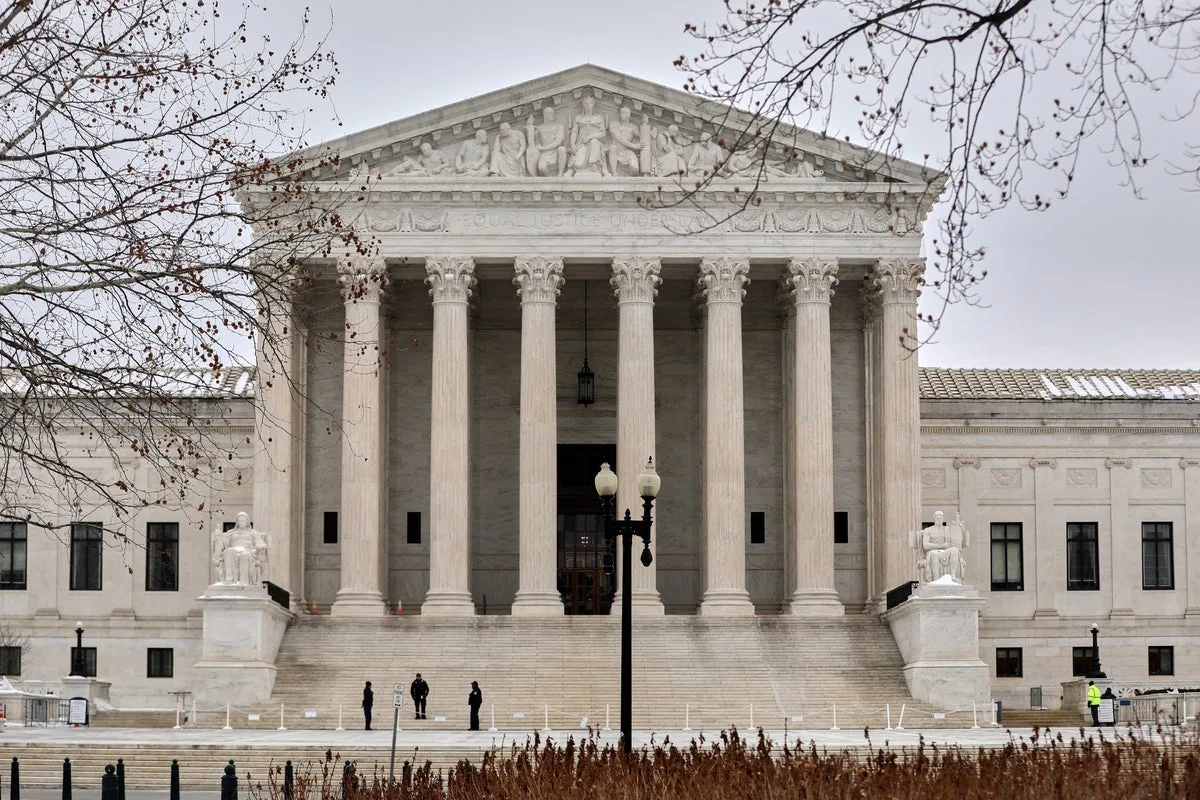
US Supreme Court Rejects Citizen Journalist's Appeal Over Texas Arrest
Supreme Court Rejects Citizen Journalist's Texas Arrest Appeal

The United States Supreme Court has formally rejected the appeal of a Texas-based online citizen journalist who claimed she was wrongfully arrested in a case that attracted significant attention from national media outlets and free speech advocacy groups. The decision, issued on Monday, leaves intact a divided federal appeals court ruling that found journalist Priscilla Villarreal, known online as La Gordiloca, cannot proceed with her lawsuit against police officers and other officials involved in her arrest.

Background of the Controversial Case

Villarreal was arrested in 2017 for seeking and obtaining nonpublic information from police sources, specifically the identities of a suicide victim and a family involved in a car accident, which she then published on her Facebook page. The arrest affidavit alleged that her actions were motivated by a desire to gain more followers on the social media platform. However, a state judge later dismissed the criminal case against her, declaring the law used for her arrest unconstitutional.

Legal Proceedings and Judicial Opinions

Following the dismissal, Villarreal sought to sue the officials for damages, but the full Fifth U.S. Circuit Court of Appeals ruled 9-7 that the officials from Laredo and Webb County were entitled to legal immunity. The Supreme Court had previously directed the Fifth Circuit to review Villarreal's case in light of its ruling in another Texas case involving former city council member Sylvia Gonzalez, who also claimed wrongful arrest. Despite this, the Fifth Circuit upheld its earlier decision, and the Supreme Court declined to intervene further.

Wide Pickt banner — collaborative shopping lists app for Telegram, phone mockup with grocery list

Justice Sonia Sotomayor dissented from the Supreme Court's decision, stating clearly, "It should be obvious that this arrest violated the First Amendment." Her dissent highlights the ongoing debate over free speech protections and the limits of legal immunity for officials in cases involving journalists.

Implications for Free Speech and Journalism

Villarreal's lawyers argued in their appeal that the Fifth Circuit's ruling effectively grants officials "free rein to turn routine news reporting into a felony," raising concerns about the chilling effect on citizen journalism and investigative reporting. This case underscores the tensions between law enforcement authority and constitutional rights, particularly in the digital age where online platforms play a crucial role in news dissemination.

The Supreme Court's refusal to hear the appeal means that the lower court's decision stands, setting a precedent that could impact similar cases in the future. It also reflects the broader legal landscape where courts are grappling with how to apply traditional free speech principles to modern media practices.

Pickt after-article banner — collaborative shopping lists app with family illustration




