

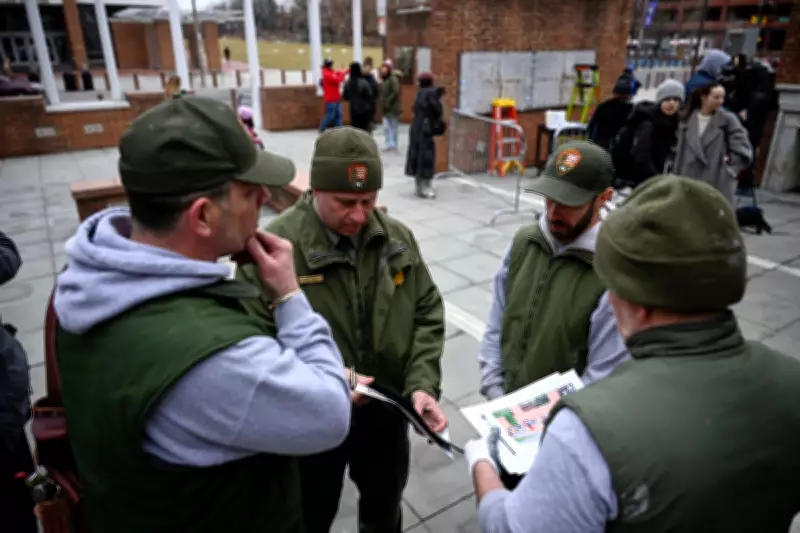
An exhibit that was removed during the Trump administration is making a significant return to Independence Mall in Philadelphia. Workers are currently restoring the display, which vividly depicts the history of nine individuals who were once enslaved in the city. This restoration is unfolding amid an ongoing legal dispute between Philadelphia officials and the former Trump administration.
Mayoral Visit and Restoration Efforts
Mayor Cherelle Parker personally visited the site on Thursday morning to observe the restoration work in progress. According to spokesperson Joe Grace, the mayor witnessed the efforts firsthand, underscoring the city's commitment to reinstating this important historical representation. The exhibit focuses on the lives of those enslaved by George Washington at the former President's House, located on Independence Mall.
Legal Deadline and Federal Appeals
The restoration follows a federal court order issued by Senior U.S. District Judge Cynthia Rufe. Judge Rufe set a strict deadline for the Interior Department to restore the exhibit by Friday, despite an ongoing appeal from the Justice Department. This legal mandate was delivered on Wednesday, even as the Justice Department continues to challenge the order to reinstate the exhibit.

Background of the Exhibit Removal
The exhibit was originally removed under the Trump administration, sparking controversy and legal action from Philadelphia. The display serves as a critical educational tool, highlighting the often-overlooked history of slavery in the early United States, particularly in Philadelphia. Its removal had been met with significant public and political backlash, leading to the current legal fight.
Implications for Historical Preservation
The return of this exhibit is seen as a victory for historical preservation and transparency. It emphasizes the importance of acknowledging all aspects of American history, including the painful legacy of slavery. The restoration work not only physically reinstates the display but also symbolically reaffirms the city's dedication to educating the public about this crucial period.
As workers continue their efforts, the exhibit is expected to be fully restored by the court-imposed deadline, pending any further legal developments. This case highlights the ongoing tensions between federal and local authorities over historical narratives and public education.






