Sally Rooney Celebrates High Court Ruling as Victory for UK Civil Liberties
Sally Rooney Hails Palestine Action Ruling as Civil Liberties Win

Sally Rooney Hails High Court Ruling as Victory for Civil Liberties in Britain

Irish author Sally Rooney has expressed immense relief and satisfaction following a landmark High Court decision that declared the proscription of Palestine Action under anti-terrorism legislation to be unlawful. The ruling, delivered by three senior judges, represents a significant legal defeat for government ministers and has been celebrated as a triumph for both the Palestine solidarity movement and fundamental civil liberties within the United Kingdom.

A Legal and Moral Victory

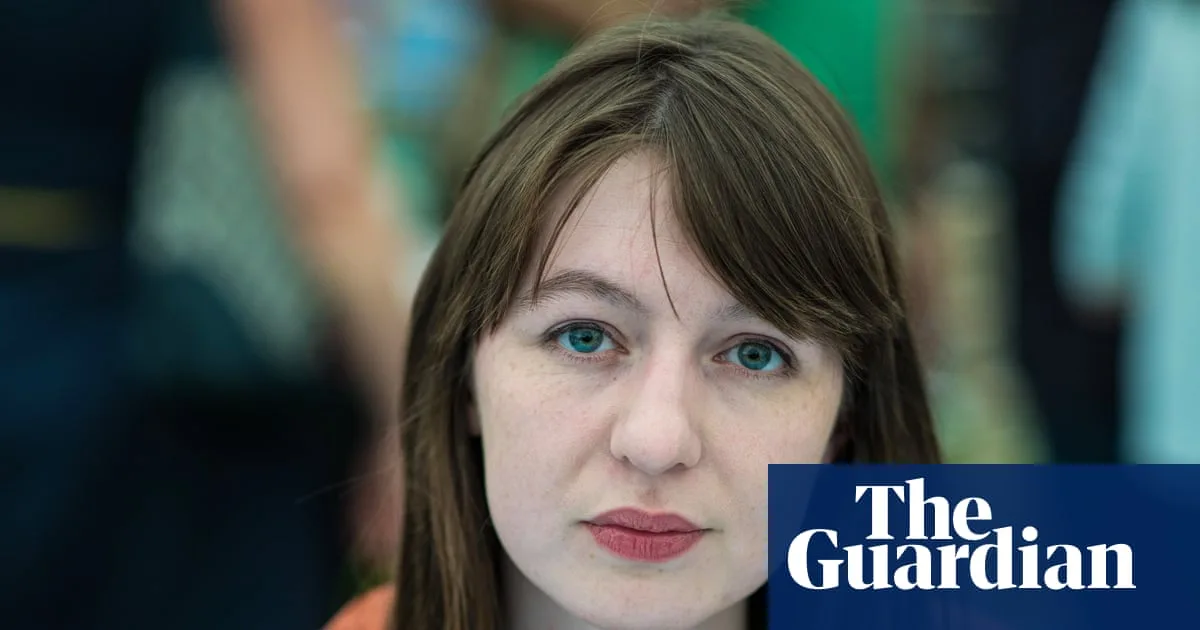
In an exclusive interview, Rooney stated she was "immensely pleased and heartened" by the judgment. "This is a victory not only for the Palestine solidarity movement but also for civil liberties in Britain," she affirmed. The author of acclaimed novels Normal People and Conversations with Friends had previously submitted two witness statements in support of the legal challenge brought by Huda Ammori, a co-founder of Palestine Action. These statements were cited as evidence demonstrating the ban's detrimental impact on freedom of expression.

Rooney argued that the proscription of a political protest group under the Terrorism Act constituted "a truly extreme assault on ordinary rights and freedoms." She emphasised that the core legal issue was not the justification of Palestine Action's activities, but whether it should be a criminal offence to even engage in debate about them. "The primary purpose of the Terrorism Act is not to criminalise acts of violence, which are already illegal, but to criminalise otherwise lawful acts of speech, association, and financial dealings," she explained.

Wide Pickt banner — collaborative shopping lists app for Telegram, phone mockup with grocery list

Judicial Findings and Government Response

The High Court found the government's ban to be disproportionate and unlawful, citing its "very significant interference" with rights to freedom of speech and assembly. However, the judges explicitly rejected the characterisation of Palestine Action as non-violent or engaged in civil disobedience, describing it as an organisation that "promotes its political cause through criminality and encouragement of criminality." They challenged the premise that property damage does not constitute violence, a view they stated "many would struggle to comprehend."

In response, Home Secretary Shabana Mahmood expressed disappointment with the ruling while respecting the judiciary. "The proscription of Palestine Action followed a rigorous and evidence-based decision-making process, endorsed by parliament," she stated. "Home secretaries must retain the ability to take action to protect our national security and keep the public safe. I intend to fight this judgment in the Court of Appeal."

Rooney's Personal Stakes and Philosophical Disagreements

The ruling carries profound personal implications for Rooney. In her witness statements, she had warned it was "almost certain" she would be unable to publish new work in the UK under the ban, and her existing books might face withdrawal—a scenario she described as "a truly extreme incursion by the state into the realm of artistic expression." Following the verdict, she announced plans to use proceeds from her works to support Palestine Action and expressed confidence her books would remain in print.

Rooney openly disagreed with parts of the judgment, particularly regarding definitions of violence and civil disobedience. "To me, and I think to many other people, the word 'violence' implies harm to a living being," she contended. "Inanimate objects cannot suffer." She defended Palestine Action's tactics of property damage as consistent with historical traditions of civil disobedience, from the suffragettes to environmental activists, and expressed bafflement at the judges' claim that civil disobedience must be "characterised by restraint."

Pickt after-article banner — collaborative shopping lists app with family illustration

"I disagree with some sections of the judgment—though, unlike the home secretary, I do agree with its conclusions," Rooney summarised. While the proscription order currently remains in place pending potential appeal arguments from the Home Office, Rooney remains optimistic. "If an order is found to be unlawful or unconstitutional, then it seems to me that it ought to be quashed there and then," she said, adding she looks forward to visiting Britain again once the matter is fully resolved.




