

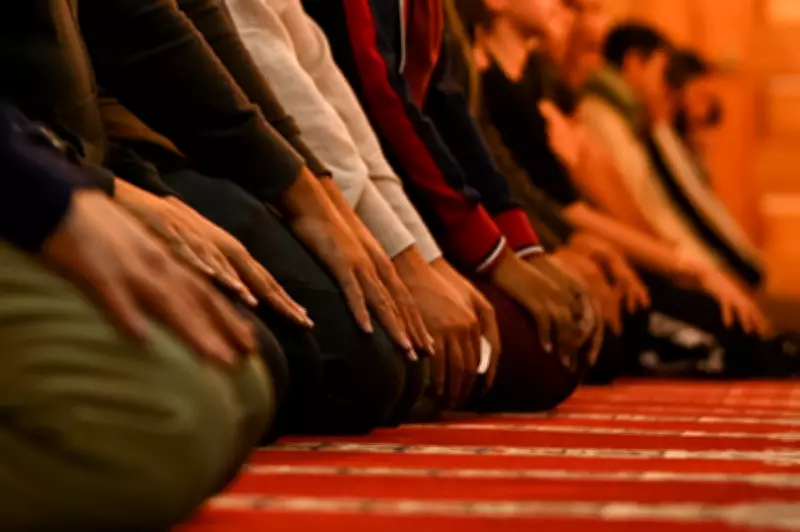
Australian Muslims Commence Ramadan with Tarawih Prayers in Sydney
Muslims across Australia have gathered for the first tarawih prayers of Ramadan at mosques such as the one in Sydney, marking the start of a month dedicated to self-discipline, generosity, and spiritual reflection. This annual observance involves fasting from food, drink, and other physical needs from sunrise to sunset, which in Australia this year spans approximately 16 hours daily. However, the peaceful commencement of Ramadan is overshadowed by rising Islamophobia and contentious political statements.
Political Controversy and Islamophobic Incidents
Senator Pauline Hanson, leader of a prominent political party, recently questioned the existence of "good Muslims," citing concerns about Islamic teachings and alleging hatred towards Westerners. This rhetoric is not isolated; Hanson has a history of actions such as wearing a burqa in parliament and making unfounded claims about halal certification. Concurrently, mosques in Sydney and Melbourne report increased security measures due to threatening letters and Islamophobic incidents, with records indicating peak levels of anti-Muslim sentiment in Australia.
These developments occur as Muslims prepare for Ramadan, a time meant for inner peace and community bonding. The contrast between the spiritual focus of Ramadan and the external hostility highlights ongoing social tensions.

The True Essence of Ramadan Beyond Fasting
Ramadan is often misunderstood by non-Muslims, who may view the fast as grueling or masochistic. However, for Muslims, it serves as a "harbour" from life's chaos, offering a chance for increased ritual, reflection, and personal growth. Religious texts emphasize that fasting is not merely about hunger and thirst but about mastering one's instincts, such as anger, selfishness, and contempt. This internal discipline aims to cultivate better individuals and communities, countering the very traits of hate and suspicion directed at Muslims.
Despite Hanson's later acknowledgment that some Muslims might be good, she refused to apologize, perpetuating divisive narratives. This stance ignores the contributions of Australian Muslims in various professions, from healthcare to emergency services, who serve the country daily.
Lessons in Self-Improvement and National Reflection
Beyond debunking stereotypes, Ramadan offers a model of disciplined self-betterment that could inspire broader Australian society. The month-long commitment involves guarding speech, practicing generosity, seeking forgiveness, and advocating for justice. As Muslims work actively to become "good" through this rigorous practice, it prompts reflection on how others might also strive for personal and social improvement.
In a climate where fearmongering gains traction, the peaceful observance of Ramadan stands as a testament to resilience and faith. It challenges misconceptions and invites a deeper understanding of Islamic practices and their positive impacts on individuals and society.






