
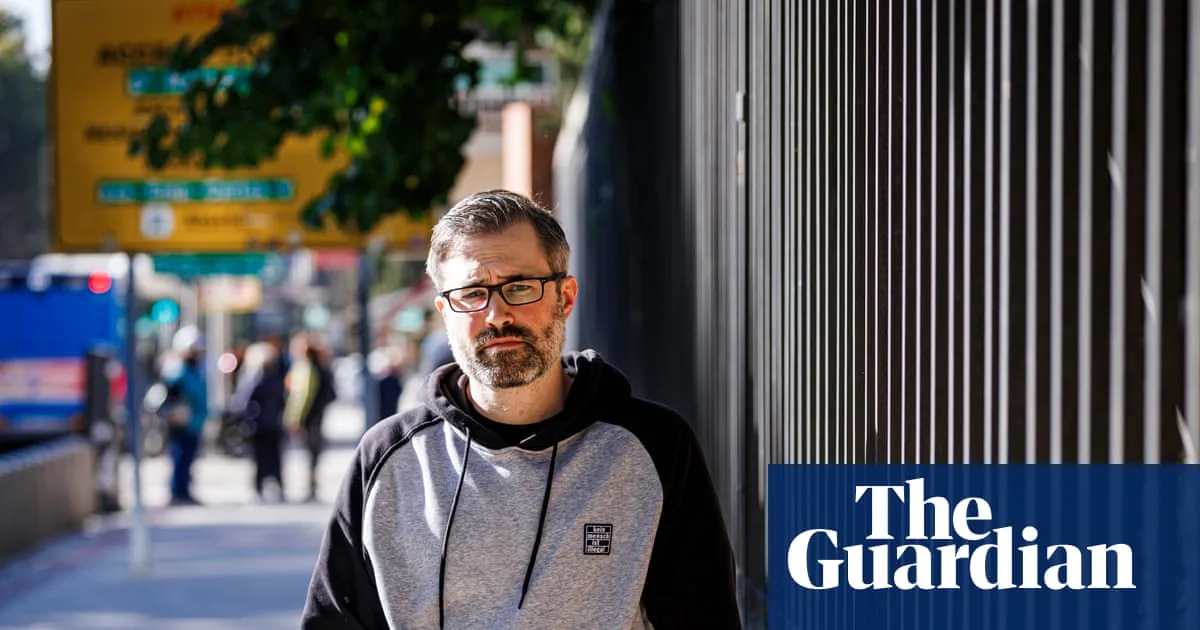
Mark Bray, a professor at Rutgers University and author of a book on Antifa, has become one of the highest-profile figures targeted by Donald Trump's campaign against the movement. In early October, Bray and his family attempted to flee to Spain after receiving death threats, but their flight reservation was mysteriously cancelled at the gate.
Bray, who teaches a course on the history of antifascism, has long been considered an expert on Antifa. However, he insists he has never been part of the movement. 'I'm anti-fascist insofar as I don't like fascism and I would really like us to organise against fascism,' he said. 'But that's the extent of it. I have never been part of a group.'
The threats escalated after the killing of far-right activist Charlie Kirk, when Trump signed an executive order designating Antifa as a 'domestic terrorist organisation' without evidence linking the suspect to the movement. Far-right influencers and media then accused Bray of being a 'domestic terrorist professor' and a 'prominent leader of the Antifa movement on campus,' calling for his dismissal.
Bray received emails threatening to kill him in front of his students, and his home address was posted online. With two young children, he decided to relocate to Spain for the academic year, teaching remotely. 'I kept battling this notion that you're playing into their hands by getting scared,' he said. 'But the difference this time was having little children.'
The cancellation of his flight occurred hours after a White House meeting where Trump vowed to crush Antifa. Bray noted that the far-right influencers targeting him were present at that meeting. 'On the day I was leaving the country, the far-right influencers who targeted me were at the White House meeting with Trump about Antifa,' he said. The incident highlights the top-down nature of the threats, contrasting with earlier, more grassroots hostility.




