

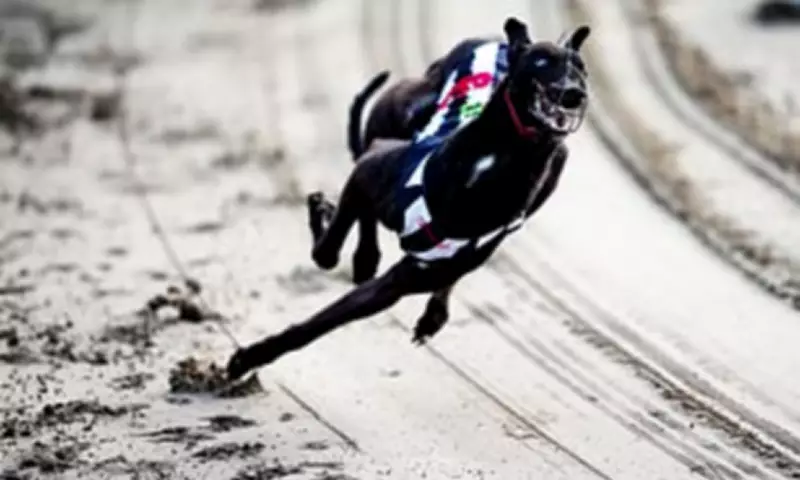
Pressure Mounts to End Greyhound Racing in England Following Welsh Ban and Scottish Vote
Pressure is intensifying to outlaw greyhound racing in England after Welsh politicians enacted a ban and Scottish lawmakers prepared for a decisive vote on the issue. The Senedd in Wales, led by the Welsh Labour Party, voted on Tuesday to prohibit the sport, a move celebrated by campaigners as a landmark achievement for dog welfare.
Animal Welfare Concerns Drive Legislative Action
According to the Royal Society for the Protection of Cruelty to Animals (RSPCA), the Welsh decision could pave the way for the remaining UK nations. This comes as Holyrood in Scotland was set to vote on a bill to impose a similar ban. Animal rights advocates argue that greyhound racing is inherently dangerous, with thousands of dogs suffering broken legs, head trauma, and fatal injuries on UK racetracks annually.
The UK remains one of only nine countries worldwide that still permits commercial greyhound racing, alongside nations such as Australia, Mexico, Ireland, the United States, and Vietnam. Recent data from the Greyhound Board of Great Britain (GBGB) reveals alarming statistics: 123 greyhounds died trackside in the UK in 2024, marking an increase from the previous year. Additionally, there were 3,809 injuries to greyhounds during racing in the same period.

Scottish Parliament Considers Historic Bill
On Wednesday, Members of the Scottish Parliament (MSPs) were poised to vote on the Greyhound Racing (Offences) (Scotland) Bill, introduced by Scottish Green Mark Ruskell. Green MP Hannah Spencer urged Holyrood to support the legislation and "end greyhound racing for good." If passed, the bill would make it an offence to operate a greyhound racing track or for a dog owner to race their animal on one.
Ms. Spencer, who has four former racing greyhounds as pets, praised Mr. Ruskell for his "determination and compassion" on the issue. She stated, "He has been tireless in standing up for greyhounds and working alongside campaigners to spotlight the cruelty and suffering this outdated industry inflicts on animals." She added that Scotland now has the chance to take an important step and end greyhound racing permanently.
Mr. Ruskell emphasized that greyhound racing "is a cruel sport that has a terrible impact on the dogs who are risking their lives by being forced to run at such dangerous speeds." He noted, "Scotland is one of few countries that still allows racing. We need to leave it in the past where it belongs."
Support from Animal Welfare Organizations
Dogs Trust public affairs manager James Fitch described the Welsh vote as "a monumental day for animal welfare." He explained, "The reason we want to see greyhound racing come to an end is because of the significant and easily avoidable injuries to the dogs." He expressed hope that the Scottish result would serve as a catalyst for change across the UK, advocating for a phased end to what he termed an inhumane practice.
Jennifer White of the RSPCA welcomed the Welsh ban as "wonderful news for dogs" but stressed the urgent need for other countries, including England, to follow suit. She highlighted that greyhounds often suffer from broken legs, heat stroke, and heart attacks, asserting that ending the sport across the UK would be beneficial.
The Cut the Chase coalition, comprising Blue Cross, Dogs Trust, Greyhound Rescue Wales, Hope Rescue, and RSPCA Cymru, also endorsed the ban. They told BBC News, "For too long, dogs have paid the price for this outdated form of entertainment, with injuries and deaths that are entirely preventable."
Opposition and Criticism of the Bans
However, critics have been swift to point out that there are currently no operating greyhound tracks in Scotland, with the last regulated one closing in 2020. They argue that parliamentary time in Holyrood could have been better spent debating other issues. MSP Finlay Carson of the Scottish Tories commented, "While we must protect animal welfare, this virtue-signalling debate has been a complete waste of parliamentary time and won't improve the welfare of a single dog."

Scottish Labour MSP Rhoda Grant also opposed the move, stating, "As this Bill stands, it does nothing to improve the welfare of any animal in Scotland. It will stop a novel greyhound racetrack being opened in Scotland, but I don't think in any event that a track would have received planning permission had it sought to open."
The GBGB criticized the Scottish bill as "a confused and ill thought-out piece of legislation." Regarding the Welsh ban, chief executive Mark Bird argued that the legislative process has been flawed, citing insufficient consultation and evidence. He warned that the ban would destroy jobs, family-run businesses, and community touchpoints, while causing significant economic loss to Wales.
Political Divisions and Future Implications
The issue has proven divisive across the political spectrum. While the Greens and Liberal Democrats actively campaign to ban the sport, Welsh Labour collaborated with the Lib Dems to enact the ban in Wales. In contrast, the Labour government in England has recently pushed back on calls for legislation, stating that greyhound racing is well-regulated and makes an important contribution to the country's cultural life. They noted that welfare is covered by the Animal Welfare Act 2006 and the Welfare of Racing Greyhounds Regulations 2010.
Conservative and Reform politicians have generally opposed an outright ban, arguing that greyhound racing is a legitimate sport that provides employment in communities. They advocate for improving animal welfare standards rather than prohibition.
Currently, there are 18 licensed greyhound racing tracks in England. The Welsh ban, if upheld despite a pending legal challenge, will affect one licensed track operating near Caerphilly. The High Court in Wales is expected to deliver a judgment on the legal challenge around late March or early April.
As the debate continues, campaigners remain hopeful that England will follow the lead of Wales and potentially Scotland, bringing an end to greyhound racing across the UK to protect animal welfare.





