

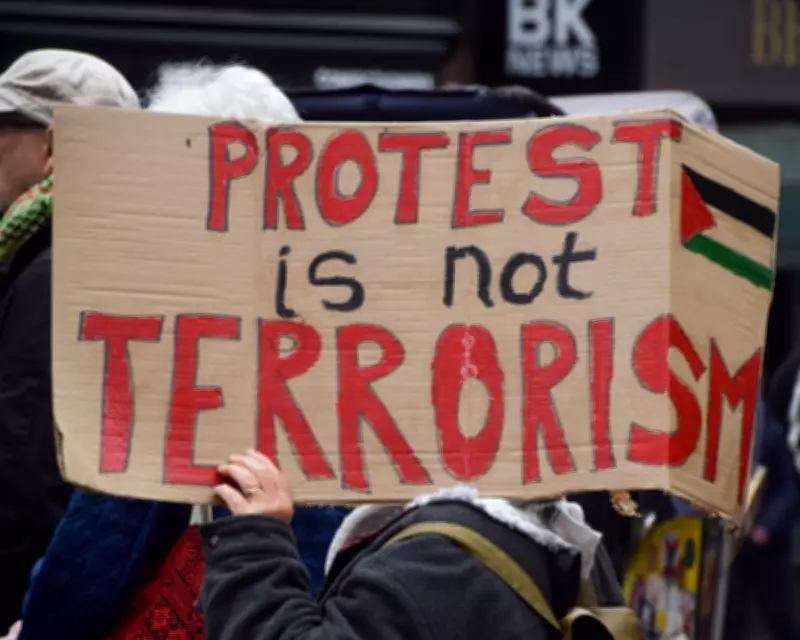
The United Kingdom's Appeal Court has been told that the government's proscription of the activist group Palestine Action has engendered a pervasive 'culture of fear', effectively chilling lawful dissent and protest activities across the country. During the hearing, which commenced on Tuesday, legal representatives for the group argued that the ban, imposed under the Terrorism Act, is overly broad and infringes upon fundamental rights to freedom of expression and assembly.
Legal Challenge to Proscription
Palestine Action, which has been designated a terrorist organisation since 2023, is challenging the Home Office's decision. The group's barrister contended that the designation was based on 'flimsy evidence' and that it has had a 'devastating impact' on peaceful campaigning for Palestinian rights. The court heard that the ban has led to increased surveillance, harassment, and fear of prosecution among activists, deterring them from engaging in even non-violent protests.
Government's Position
Representing the Home Office, government lawyers defended the proscription, asserting that Palestine Action is involved in 'serious violence' and property damage, including occupations of factories and attacks on arms companies. They argued that the ban is necessary for national security and public safety. However, the appellants countered that such actions should be dealt with under existing criminal law rather than through proscription, which they say is a disproportionate measure.

Broader Implications
The case has drawn attention from human rights organisations, with several intervening to highlight the potential chilling effect on legitimate activism. Amnesty International UK submitted that the ban creates a 'climate of suspicion' that undermines democratic participation. The court is expected to deliver its judgment in the coming weeks, a decision that could have significant ramifications for the UK's approach to proscribing organisations and balancing security with civil liberties.






