

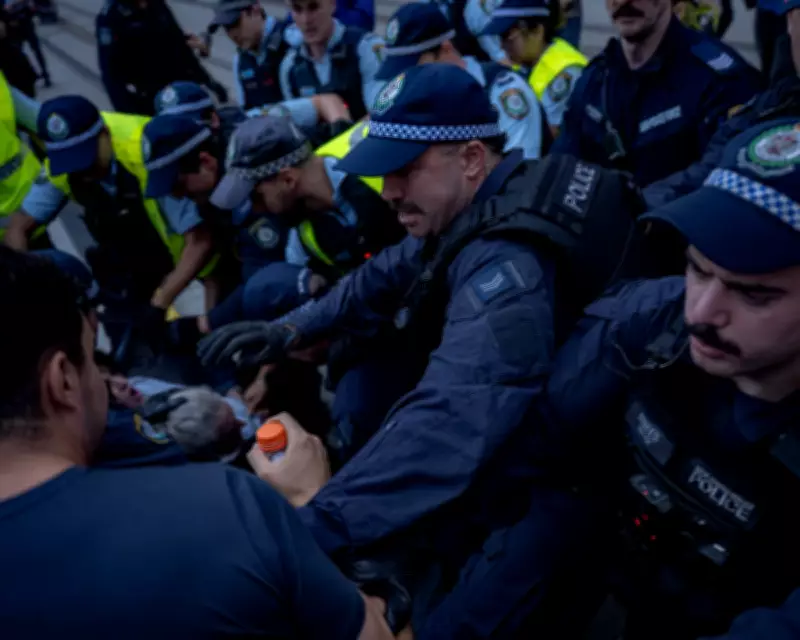
Security Expert Advising NSW Premier Chris Minns Warned of Radicalisation Risk from Police Powers
A security expert who provided counsel to New South Wales Premier Chris Minns issued a stark warning that the implementation of tougher police powers in the aftermath of the Bondi incident could inadvertently heighten the risk of radicalisation. This cautionary advice, delivered directly to the premier's office, underscores a significant tension between enhancing public safety measures and safeguarding civil liberties in the state.
Expert Concerns Over Escalating Measures
The expert, whose identity remains confidential but is known to have extensive experience in counter-terrorism and security analysis, argued that overly aggressive policing tactics might alienate communities and foster resentment. This, in turn, could create fertile ground for extremist ideologies to take root, potentially exacerbating security threats rather than mitigating them. The warning was reportedly presented as part of internal discussions within the Minns administration, highlighting the complex balancing act faced by policymakers in responding to high-profile security events.
Context of the Bondi Incident and Policy Response
The advisory emerged following the Bondi incident, a security breach that prompted calls for swift legislative action to bolster police authorities. Premier Minns had publicly advocated for expanded powers to enable law enforcement to act more decisively in preventing similar occurrences. However, the expert's input suggests that such measures, if not carefully calibrated, could have unintended consequences, including driving individuals toward radicalisation by eroding trust in governmental institutions.

Implications for Civil Liberties and Community Relations
This revelation raises critical questions about the trade-offs between security and freedom in New South Wales. Civil liberties advocates have long warned that excessive police powers can infringe on individual rights and strain community-police relations, particularly in diverse urban areas. The expert's warning aligns with these concerns, emphasizing the need for a nuanced approach that addresses security needs without compromising democratic values or social cohesion.
Political and Public Reaction
The disclosure of the expert's caution has sparked debate among political circles and the public, with some calling for greater transparency in how security policies are formulated. Critics argue that ignoring such expert advice could lead to flawed legislation that undermines long-term stability. Meanwhile, supporters of tougher measures contend that immediate action is necessary to protect citizens, even if it involves calculated risks.
Looking Ahead: Policy Adjustments and Monitoring
As the Minns administration navigates this delicate issue, there is growing pressure to incorporate expert insights into future policymaking. This may involve revising proposed police powers to include safeguards against radicalisation, such as community engagement programs and oversight mechanisms. Ongoing monitoring of the impact of any new laws will be essential to ensure they do not inadvertently fuel the very threats they aim to combat.






