

Labour's Anti-Muslim Hostility Definition Sparks Free Speech Debate
The Labour government has launched a significant initiative to combat anti-Muslim hostility, announcing on Monday the creation of an official definition and the country's first dedicated tsar to address the issue. This move comes as part of a substantial £4 million drive aimed at improving both the measurement of and responses to anti-Muslim incidents across the nation.
Defining Anti-Muslim Hostility
Under the newly established definition, anti-Muslim hostility encompasses a range of behaviours directed at individuals who are either Muslim or perceived to be Muslim. This includes violent acts, harassment, prejudicial stereotyping designed to incite hatred, and unlawful discrimination. The Ministry of Housing, Communities and Local Government (MHCLG) has emphasised that this definition must be read alongside a crucial statement protecting "open debate in the public interest."
The government has explicitly stated that the fundamental right to freedom of expression remains intact, allowing for criticism or ridicule of religions, including Islam, even when such portrayals might be considered disrespectful or scandalous by some adherents. Importantly, officials have clarified that this definition is not being enshrined in law and does not automatically criminalise all forms of anti-Muslim hostility.

Free Speech Concerns Emerge
Despite these assurances, critics have raised significant concerns about the potential chilling effect on free speech. They argue that the broad and subjective nature of the definition could effectively create a back-door blasphemy law, stifling legitimate debates and criticism of Islamist extremism. Paul Holmes, the Shadow Housing, Communities and Local Government Minister, voiced strong opposition, stating that anti-Muslim hatred is unacceptable but that existing hate crime laws should be properly enforced instead.
Holmes further suggested that the timing of this announcement, following recent by-elections in Gorton and Denton, indicates Labour is engaging in sectarian politics rather than focusing on unifying national values. He described identity politics as a dead end that fails to promote social cohesion.
Expert Warnings and Historical Precedents
Former Labour MP and government adviser Lord Walney expressed understanding for British Muslims facing rising intolerance but questioned the necessity of this new definition given existing comprehensive hate crime legislation. He warned that Islamist extremists might exploit the definition to deflect scrutiny from their activities and intimidate fellow Muslims.
Reform MP Sarah Pochin condemned the move as another assault on free speech, arguing that no religion or idea should be beyond scrutiny in a democratic society. Lord Young, founder of the Free Speech Union, highlighted that previous non-statutory definitions of Islamophobia had already created a profoundly chilling effect on free speech, particularly regarding sensitive issues like grooming gangs.
Young cautioned that despite the terminology shift from "Islamophobia" to "anti-Muslim hostility," the new definition could still be weaponised to silence legitimate criticism of Muslims or Muslim organisations, potentially hindering discussions on politically difficult topics such as female genital mutilation and honour killings.
Government Defence and Statistical Context
Communities Secretary Steve Reed firmly rejected accusations of creating blasphemy laws through the back door during a Commons debate on the Protecting What Matters cohesion strategy. He asserted that the government would not stand by while Muslim communities face targeted abuse that any decent country would find intolerable.
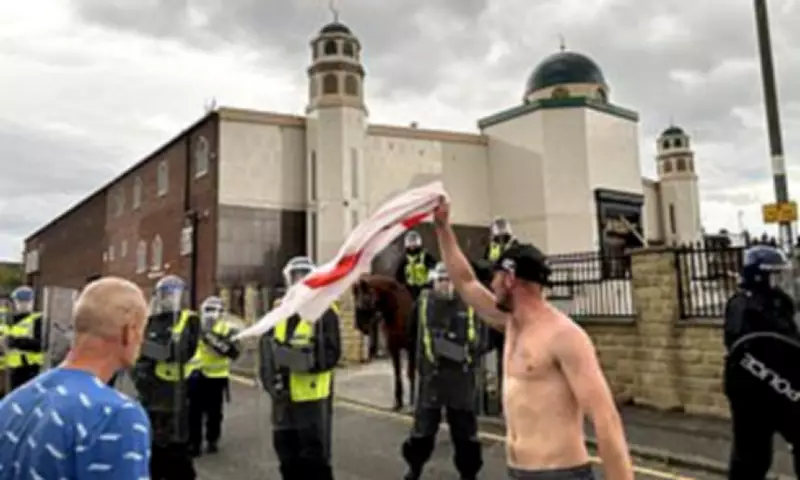
The official definition document reveals alarming statistics, with a record 4,478 hate crimes against Muslims recorded in the year to March 2025, accounting for nearly half of all religious hate crimes. Incidents include vandalism of mosques, schools, and businesses, harassment of women wearing headscarves, and online abuse directed even at positive comments about Muslims. Many Muslims reportedly fear using public services like transport and healthcare, with some feeling forced to isolate themselves for safety.

This initiative, published alongside a long-awaited social cohesion strategy, continues to generate heated debate about the balance between protecting vulnerable communities and preserving essential freedoms in British society.





