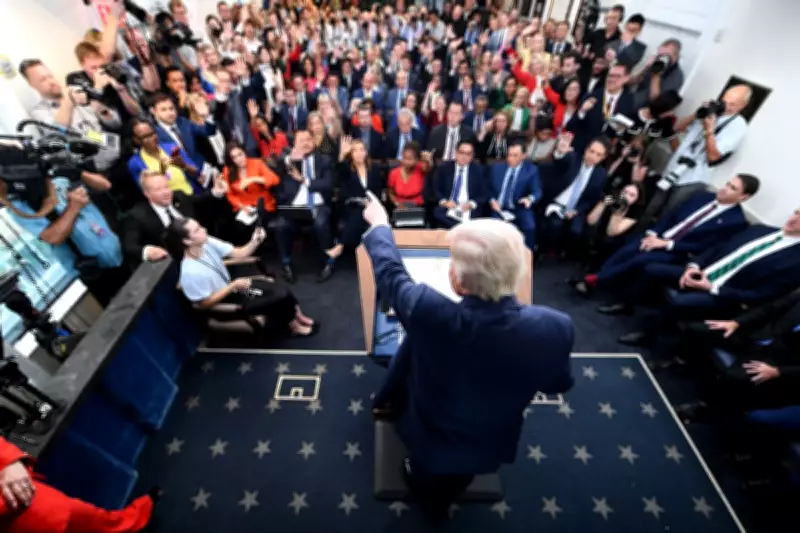
In a development that has sent shockwaves through the global media landscape, a series of journalist arrests has brought the issue of press freedom sharply into focus. These incidents, which include the high-profile detention of prominent broadcaster Don Lemon, have raised urgent questions about the legal safeguards for journalists and the potential chilling effect on investigative reporting.
Escalating Tensions Over Media Rights
The arrests, occurring in various jurisdictions, underscore a growing tension between state authorities and the press. Legal experts warn that such actions could undermine democratic principles by stifling free speech and limiting public access to critical information. The case involving Don Lemon, known for his outspoken commentary, has particularly galvanised international attention, with advocacy groups condemning it as an attack on journalistic independence.
Global Reactions and Legal Implications
Human rights organisations and press freedom watchdogs have issued strong statements, calling for the immediate release of detained journalists and a review of the legal frameworks governing media operations. They argue that the arrests set a dangerous precedent, potentially emboldening other governments to suppress dissenting voices under the guise of national security or public order.

From a legal perspective, these events highlight the fragile balance between press freedom and state power. In many countries, laws designed to protect journalists are being tested or circumvented, leading to ambiguous legal grounds for arrests. This ambiguity not only jeopardises individual journalists but also threatens the broader ecosystem of news gathering and dissemination.
The Broader Impact on Journalism
Beyond the immediate legal ramifications, the arrests are likely to have a profound impact on the journalism profession. Fear of prosecution may deter reporters from pursuing sensitive stories, particularly in areas like corruption, human rights abuses, or governmental misconduct. This could result in a less informed public and a weakening of accountability mechanisms essential for healthy democracies.
Moreover, the international community is closely monitoring these developments, with diplomatic efforts underway to address press freedom as a cornerstone of global human rights. The situation calls for renewed advocacy and stronger international agreements to protect journalists, ensuring they can operate without fear of retribution.
As the debate continues, the need for robust legal protections and a reaffirmation of press freedom principles has never been more critical. The arrests serve as a stark reminder of the ongoing challenges faced by journalists worldwide and the importance of safeguarding their role in society.