Israel's New Death Penalty Law Faces Widespread Condemnation
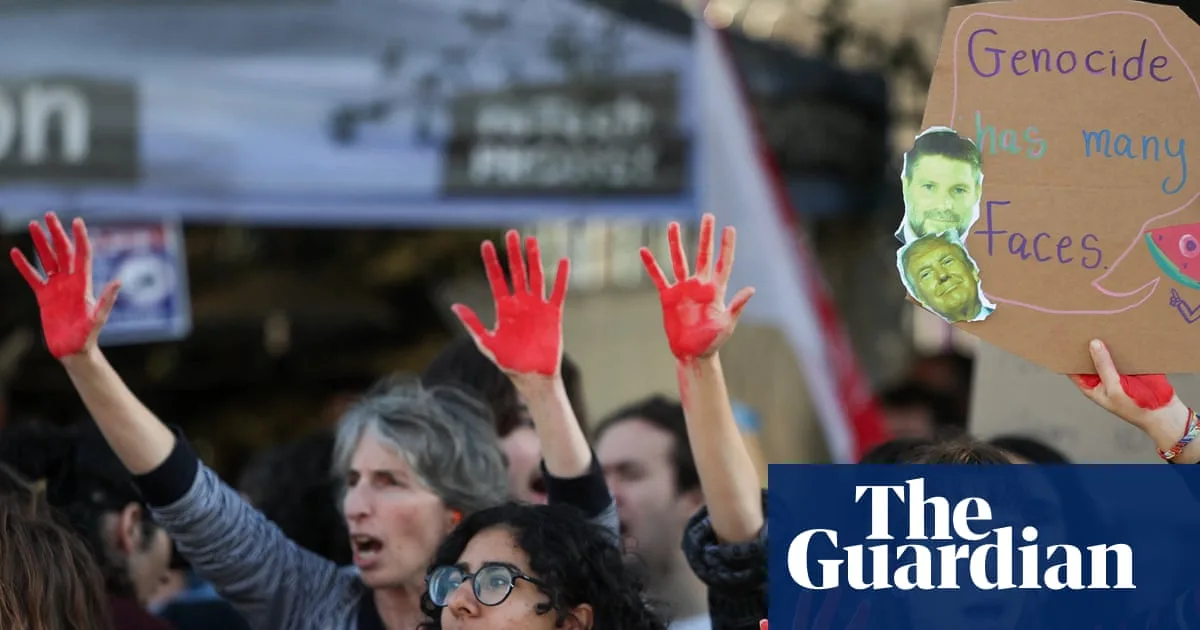
Human rights organisations have issued strong warnings against Israel's newly enacted death penalty legislation, describing it as "cruel" and discriminatory towards Palestinians. The Knesset, Israel's parliament, passed the controversial bill on Monday, establishing death by hanging as the default sentence for terrorism-related offences. This move is expected to have a particularly severe impact on West Bank Palestinians, who are already subject to military courts with extremely high conviction rates.
A Return to Capital Punishment
Israel abolished the death penalty for ordinary crimes in 1954 and has not carried out any executions since 1962. The passage of this bill represents the culmination of a years-long campaign by far-right factions within Israel to escalate punishments for Palestinians convicted of nationalistic offences against Israelis. While the law theoretically allows Israeli courts to impose the death penalty on Israeli citizens convicted of similar charges, legal experts have noted that the bill's language effectively restricts its application primarily to Palestinian citizens of Israel, excluding Jewish citizens from its reach.
The legislation will not apply retroactively to current prisoners, including Hamas-led militants captured during the October 7, 2023 attacks. However, the Israel Prison Service has already begun preparing designated facilities for executions in anticipation of the law's implementation.
Human Rights Organisations Voice Grave Concerns
Adam Coogle, deputy Middle East director at Human Rights Watch, stated that the death penalty entrenches discrimination and establishes a two-tiered justice system. "Israeli officials argue that imposing the death penalty is about security, but in reality, it entrenches discrimination and a two-tiered system of justice, both hallmarks of apartheid," he explained. "The death penalty is irreversible and cruel. Combined with its severe restrictions on appeals and its 90-day execution timeline, this bill aims to kill Palestinian detainees faster and with less scrutiny."
Ido Ben-Itzhak, a Knesset legal advisor, criticised the bill prior to its passage, noting that it "does not provide for the pardon of a person sentenced to death, which contradicts international conventions and could lead to complications."
Systematic Discrimination and Dehumanisation
Israeli human rights organisation B'Tselem condemned the legislation, arguing that the state already systematically kills Palestinians without accountability. B'Tselem executive director Yuli Novak declared: "Israel is reaching a new low in the dehumanisation of Palestinians, enshrining their cruel treatment in state law... Under the leadership of top ministers, the Israeli system is day by day becoming a system that normalises the killing and injury of human beings."
The organisation estimates that military courts, where only Palestinians are tried, maintain a 96 percent conviction rate based largely on confessions extracted under duress and torture during interrogations.
International Outrage and Context
Amnesty International has called for the bill's repeal, observing that it was passed in the same month that charges were dropped against Israeli soldiers accused of sexually assaulting a Palestinian detainee. Erika Guevara-Rosas, Amnesty International's senior director of research, advocacy, policy and campaigns, remarked: "It speaks volumes to the extent of Israel's dehumanisation of Palestinians that this law has passed in the same month in which Israeli military attorney general dropped all charges against Israeli soldiers accused of sexually assaulting a Palestinian detainee – a decision celebrated by the Prime Minister and several ministers."
Political Celebrations and Regional Impact
As the bill passed with a final vote of 62-48 in favour, lawmakers erupted into cheers and stood up in jubilation. Far-right security minister Itamar Ben Gvir brought a champagne bottle into the Israeli parliament to celebrate the occasion. "Israel is changing the rules of the game today: Whoever murders Jews will not continue to breathe and enjoy prison conditions," he proclaimed.
The legislation comes amid ongoing regional conflict. Since October 2023, Israeli authorities report that at least 72,000 Palestinians have been killed in the Gaza Strip, with an additional 1,050 Palestinians killed in the West Bank. Human rights advocates fear the new death penalty law will further exacerbate tensions and institutionalise discrimination within Israel's legal framework.