

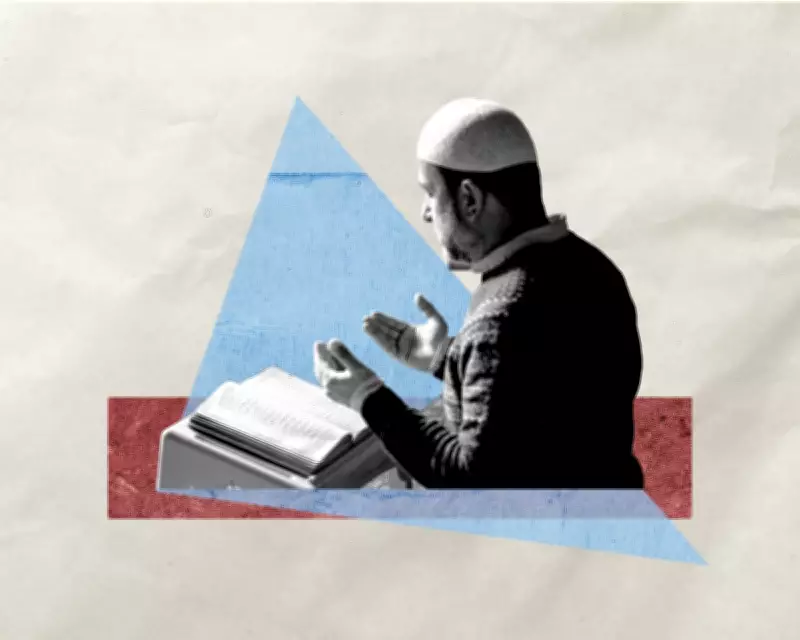
Losing a mother is an experience that reshapes one's world entirely. The void left behind is profound, and the journey through grief can feel isolating. Yet, for those who turn to Islamic teachings, there is a framework that offers solace, structure, and meaning in the face of such loss.
The Islamic Perspective on Death and Mourning
In Islam, death is not an end but a transition to the afterlife. This belief provides a foundation for understanding grief. The Qur'an reminds believers that every soul will taste death, and that patience and prayer are sources of strength. The Prophet Muhammad himself experienced the loss of loved ones, including his mother, and his example offers guidance on how to mourn with dignity and faith.
Rituals and Practices
Islamic mourning practices are designed to honor the deceased while supporting the bereaved. The funeral prayer (Janazah) is a communal obligation that underscores the importance of community support. The period of 'Iddah for widows and the three-day mourning period for other relatives allow for structured grieving without prolonged despair. These rituals emphasize remembrance of God and acceptance of His will.

Finding Comfort in Faith
Personal reflections on loss often highlight the comfort found in prayer and recitation of the Qur'an. Verses about paradise and reunion with loved ones provide hope. The concept of 'Sadaqah Jariyah'—ongoing charity—allows children to continue honoring their parents through good deeds. This transforms grief into a continued bond of love and mercy.
Conclusion
Grief is a universal human experience, but Islamic teachings offer a unique path through it. By combining ritual, community, and faith, Muslims find a way to mourn that acknowledges pain while affirming life's purpose. Losing my mother brought me closer to these teachings, and in them, I found not only solace but a deeper understanding of love and loss.






