
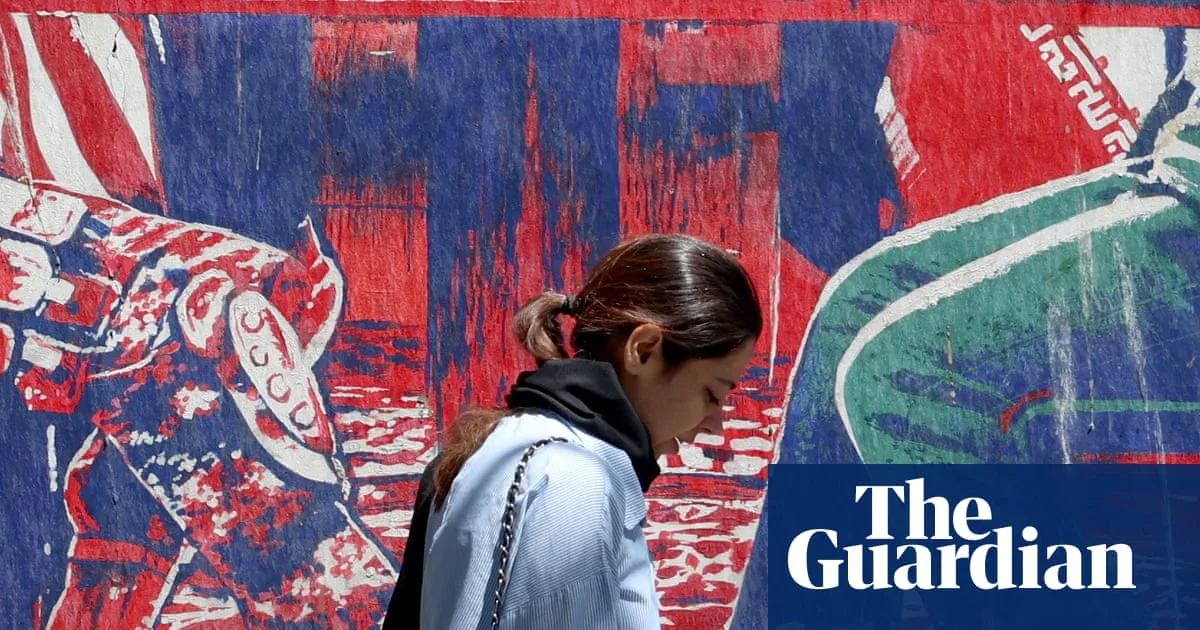
Some Iranians who once hoped foreign intervention would unseat the regime now find themselves grappling with a damaged economy and an emboldened government, according to interviews conducted by the Guardian. The partial lifting of an internet shutdown that began on 28 February has done little to ease fears of worsening repression, leaving many pessimistic about the future.
Saeed, a Tehran resident who participated in earlier protests and spoke on condition of anonymity, described the current situation as the worst possible outcome. “The economy is worse than it was on 28 December [when the protests began] and with the number of raids, arrests and executions daily, we have been left with an emboldened regime,” he said. The anti-government protests that started in December were met with a deadly crackdown; rights groups report thousands killed, over 50,000 arrested, and at least 226 executions this year.
The crisis has deepened divisions within families. Saeed noted sharp disagreements with elderly relatives who believe state TV propaganda and view young protesters as spies. Meanwhile, the regime has reportedly set up military training booths in Tehran to teach civilians how to use Kalashnikovs, and pro-government rallies with machine-gun-mounted Jeeps have flooded social media.
Rights activist Elnaz expressed concern over children and teenagers being used in checkpoint inspections and shown holding machine guns on state television. “The fact that children and teenagers have been seen holding machine guns, which the state TV broadcasts, has raised serious concerns,” she said. Other Iranians have shifted their views on foreign intervention. Amir, a business owner from Mashhad, said he once desperately hoped for US intervention but now feels humiliated by what he calls a “never-ending auction” between the US and the Islamic Republic.
Soaring prices for groceries and medication, compounded by the authorities’ nearly 90-day internet blackout, have left many struggling to meet basic needs. Noor, a 39-year-old cafe owner, spoke of the difficulty of earning a living amid the economic downturn. The combination of economic hardship and political repression has left many Iranians feeling abandoned and uncertain about what lies ahead.




