Iran Executes Three Young Men Amid Fears of Escalating Crackdown
Three young men were hanged in Iran this week, igniting widespread alarm among human rights organizations that a wave of executions may be imminent. Authorities, facing relentless military attacks from the United States and Israel, appear to be intensifying efforts to suppress public dissent through severe measures.
Details of the Executions and Charges
The executed individuals include Saleh Mohammadi, a 19-year-old star wrestler, along with Mehdi Qasemi and Saeed Davoudi. They were hanged early Thursday morning in Qom, a city located just south of Tehran, according to state media reports. All three had been convicted on charges of "moharabeh," which translates to "waging war against God," for allegedly killing two police officers during protests in the city.
Amnesty International has condemned the trials as "grossly unfair," asserting that confessions were extracted under torture. Mahmood Amiry-Moghaddam, director of Iran Human Rights, an Oslo-based group, stated that these executions are designed to instill fear in society and deter further protests amidst the ongoing U.S.-Israeli war on Iran.

Broader Context of Protests and Crackdowns
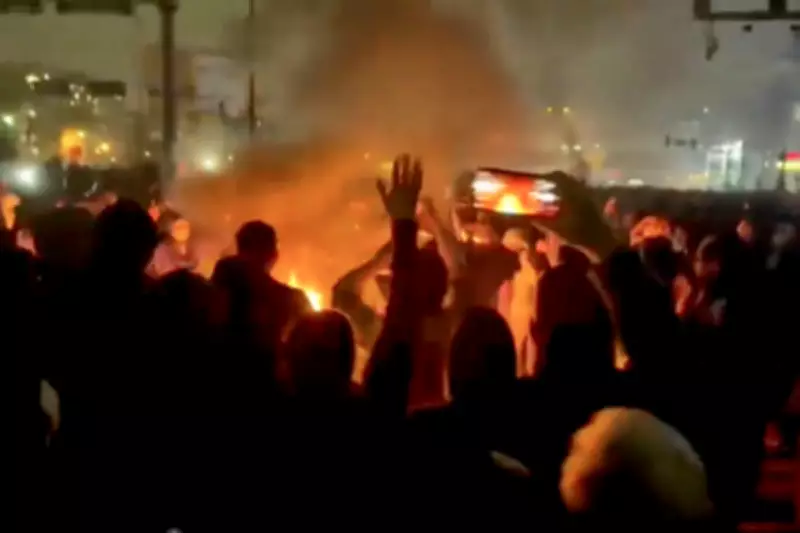
The three men are the first to be executed from among tens of thousands arrested during a nationwide crackdown in January. Rights groups report that more than 100 others could face death sentences, with at least 27 already issued for individuals detained during the protests. Nationwide demonstrations, which peaked in early January, prompted the deadliest response by Iranian security forces since the Islamic Republic's establishment in 1979.
Due to internet restrictions, exact death tolls are difficult to verify. The U.S.-based Human Rights Activists New Agency estimates over 7,000 killed and more than 50,000 arrested in just over six weeks, while the Iranian government acknowledges more than 3,000 fatalities.
Impact of International Conflicts and Internal Repression
Despite intense airstrikes from Israel and the U.S. targeting Iranian military and leadership, authorities have continued their crackdown on dissent. Scores have been detained since the war began on February 28, including participants from the January protests. The internet blackout in Iran has limited details about the executed men, but it is noted that Davoudi was executed a day before his 22nd birthday.
Saleh Mohammadi, a promising wrestler who won a bronze medal in a 2024 international youth tournament, was known for his active social media presence promoting fitness and resilience. Shiva Amelirad, an Iranian teacher in Toronto, recalled Mohammadi's participation in earlier anti-government protests and his struggles to cope with the ongoing crisis.
Allegations of Forced Confessions and Judicial Abuse
Human rights groups report that Mohammadi, Qasemi, and Davoudi were arrested on January 15 in Qom, with unclear circumstances surrounding their detention. During his imprisonment, Mohammadi was beaten and suffered a broken hand, according to Amnesty International. He denied the charges in court and retracted confessions, claiming they were obtained under torture.
The Iranian judiciary's news agency, Mizan, released videos showing the men in prison uniforms and allegedly reenacting the killings. Amiry-Moghaddam emphasized that the Islamic Republic perceives the greatest threat to its survival as coming from internal demands for change rather than external actors.
This situation underscores a deepening human rights crisis in Iran, as executions and repression persist despite international conflicts and widespread condemnation.