

International Women's Day: A Day of Commercialisation and Rising Threats
International Women's Day, observed recently, has become a focal point for corporate marketing, with companies eagerly emailing customers to promote products supposedly tailored for women. From plants and clothes to spices, these offers often feel more like algorithmic targeting than genuine empowerment. The irony is stark: while some women might enjoy new purchases, the freedom of the wearer contrasts sharply with the potential servitude of those who manufacture these items in poor conditions.
A Feminist Sermon and Biblical Reflections
On the eve of International Women's Day, a unique event unfolded at a university college evensong, where Reverend Marcus Green delivered a feminist sermon. He tackled the challenge of interpreting the Bible, a text where most women lack names, with many simply referred to as "Mary"—a term that, in biblical context, might equate to modern-day "Karen." One unnamed Samaritan woman, with five former husbands, served as a central figure. Jesus told her she was loved, a moment that, while puzzling in feminist terms, highlighted themes of acceptance and love.
Global Backdrop: Misogyny and Christian Nationalism
Beyond commercialisation, this International Women's Day was set against a troubling global backdrop. Misogyny, Christian nationalism, and white supremacism have merged, creating disturbing narratives on the world stage. In the US, figures like Pete Hegseth have retweeted videos advocating "household voting," where married women would submit to their husbands. Meanwhile, influencer Nick Fuentes has proposed extreme measures like "breeding gulags" for women, suggesting imprisonment and selective release.

These ideas raise questions about the connection between disenfranchisement and incarceration of women. Is this a coherent extension of certain Christian interpretations, or part of a broader fascist movement-building strategy that combines splenetic feelings into a rage machine?
Political and Social Implications
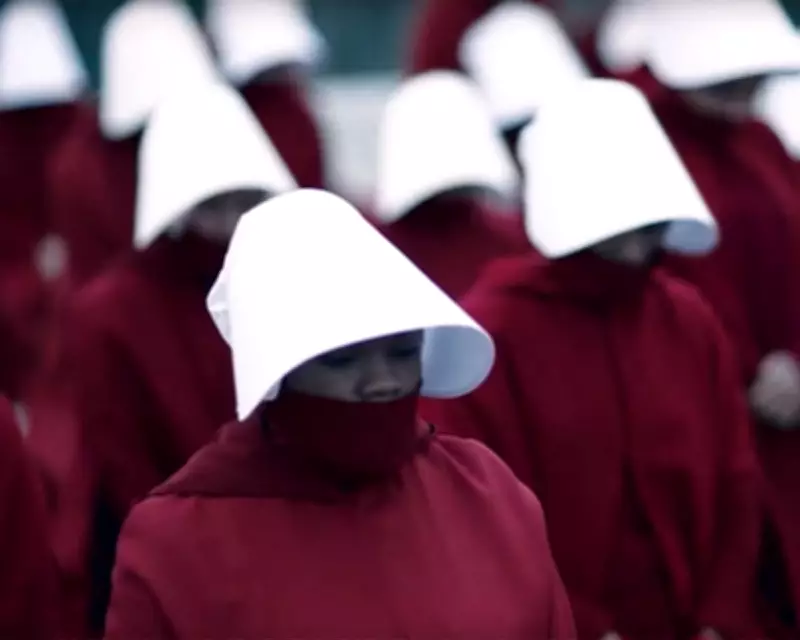
In the UK, Reform candidate Matt Goodwin has commented on the ideal age for women to have children, sparking debates over whether this stems from birthrate anxiety linked to great replacement theory or a fascination with dystopian futures akin to The Handmaid's Tale. Globally, a survey across the UK, US, Brazil, Australia, and India reveals that Generation Z men are twice as likely as baby boomers to believe a wife should always obey her husband, indicating a worrying shift in attitudes.
Conclusion: A Call for Universal Concern
Once, Christian views on gender might have seemed irrelevant to atheists, but feminist sermons and current events remind us that these issues now affect everyone. As International Women's Day evolves, it serves as a stark reminder of the ongoing struggles against commercial exploitation and rising misogyny, urging broader engagement in the fight for women's rights and equality.






