

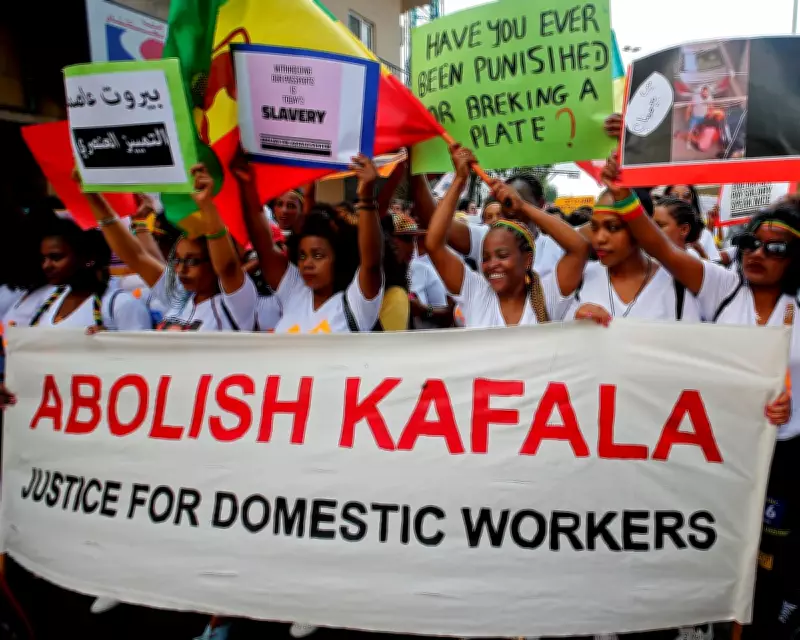
Domestic workers in Indonesia are increasingly standing up for their rights, defying the odds in a sector long plagued by exploitation and abuse. Despite facing significant barriers, including legal gaps and social stigma, these workers are organizing to demand better protections and fair treatment.
Challenges Faced by Domestic Workers
Domestic work in Indonesia is largely informal, leaving millions of workers without basic labour rights such as minimum wage, overtime pay, or social security. Many endure long hours, low pay, and hazardous conditions. Verbal and physical abuse are common, and workers often have little recourse due to fear of retaliation or lack of legal support.
Legal and Social Hurdles
Indonesian law does not fully recognize domestic workers under the Manpower Act, which excludes them from key protections. Efforts to pass a Domestic Workers Protection Bill have stalled for years, leaving workers vulnerable. Socially, domestic work is undervalued, and workers are often isolated in private homes, making collective action difficult.

Grassroots Organizing and Resistance
Despite these obstacles, domestic workers have formed unions and advocacy groups, such as the National Network for Domestic Worker Advocacy (JALA PRT). These organizations provide legal aid, conduct awareness campaigns, and lobby for legislative change. Workers have also used social media to share stories and mobilize support, drawing national and international attention to their plight.
Recent Victories and Ongoing Struggles
In recent years, Indonesian domestic workers have secured some wins, including increased minimum wage recommendations for domestic workers in certain regions and improved access to legal aid. However, enforcement remains weak, and the COVID-19 pandemic exacerbated vulnerabilities, with many workers losing jobs or facing unpaid wages.
International Solidarity and Future Outlook
The fight for domestic workers' rights in Indonesia has gained solidarity from global labour movements and human rights organizations. The International Labour Organization's Convention 189 on Decent Work for Domestic Workers, though not ratified by Indonesia, provides a framework for advocacy. As workers continue to organize, there is cautious optimism that sustained pressure could lead to meaningful legal reforms.
Ultimately, the resilience of Indonesian domestic workers demonstrates that even the most marginalized groups can challenge systemic injustice. Their struggle is a testament to the power of collective action in the face of overwhelming odds.






