

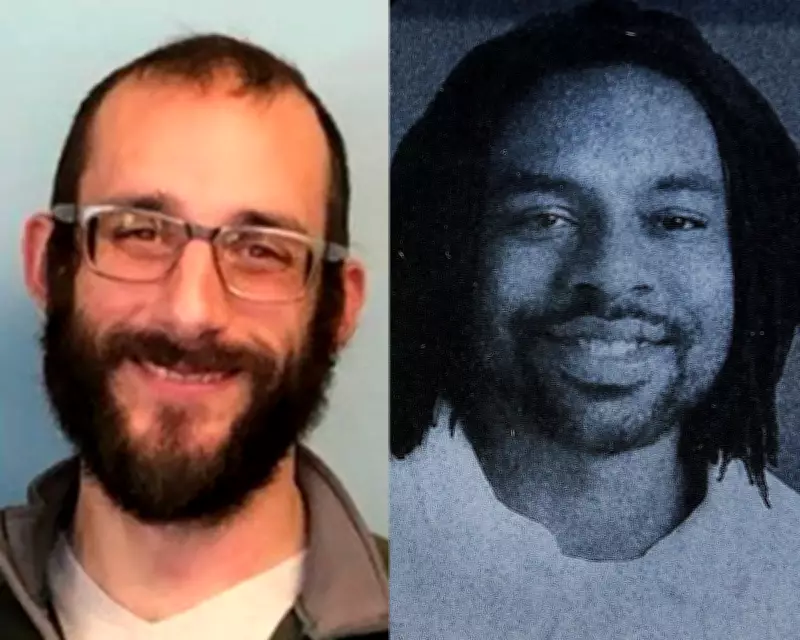
Selective Advocacy in Gun Rights Movement Exposed
The fatal shooting of Alex Pretti by federal immigration agents in Minneapolis has ignited a fierce debate within gun rights circles and the Trump administration regarding second amendment protections during protests. This incident has thrown a harsh spotlight on the movement's inconsistent approach to defending lawful gun owners, particularly when comparing the vigorous response to Pretti's case with the muted reaction to the 2016 killing of Philando Castile.
Vocal Defence for Pretti Contrasts with Castile Silence
In the immediate aftermath of Pretti's death, numerous national and local gun rights organisations launched scathing criticisms against federal officials. Groups including the Gun Owners of America and the National Rifle Association demanded independent investigations while staunchly defending Pretti's constitutional right to carry a firearm. This unified, forceful response stands in stark contrast to the NRA's handling of Castile's case nearly a decade earlier.
Philando Castile, a 32-year-old Black man with a valid firearm permit, was shot five times by a police officer in St Anthony, Minnesota, during a routine traffic stop in July 2016. Despite Castile lawfully disclosing his weapon to the officer, he was killed within seconds. The NRA, then America's most influential gun rights organisation, issued only a brief, anonymous statement calling for an investigation, failing to mention Castile by name and remaining silent when the officer was acquitted of manslaughter charges the following year.

Questioning Racial Disparities in Advocacy
Glenda Hatchett, who represented Castile's family in their civil lawsuit against St Anthony, directly challenged the NRA's inconsistent approach. "Gun rights advocates said nothing even though he was licensed to carry," Hatchett stated. "If you are advocating and you're saying that people have the right to carry then why were you silent?" She argues that racial bias significantly influenced the organisation's tepid response, questioning whether a white gun owner in similar circumstances would have received comparable advocacy.
While the NRA maintained its silence, some regional organisations did speak out. The Minnesota Gun Owners Caucus and Second Amendment Foundation both issued statements explicitly naming Castile and describing his death as troubling. Bryan Strawser, chair of the Minnesota Gun Owners Caucus, emphasised their decision to comment was driven by "a core moral issue."
Parallel Tragedies and Unanswered Questions
Hatchett described experiencing profound "horror" upon witnessing videos of Pretti's final moments, triggering painful memories of both Castile and George Floyd's deaths. She highlighted the disturbing pattern of fatal encounters between law enforcement and lawful gun owners, questioning whether sufficient legislative and training reforms can prevent future tragedies.
The contrasting responses to these two cases raise fundamental questions about consistency within the gun rights movement. As debates continue about second amendment protections during public demonstrations, the selective advocacy displayed by major organisations like the NRA suggests deeper issues regarding which gun owners receive vigorous defence and which do not. This disparity continues to fuel discussions about racial equity, constitutional rights, and the moral responsibilities of advocacy groups in America's ongoing conversation about guns, policing, and justice.






