Government Firmly Rejects Farage's Call to Ban Mass Religious Observances
The UK government has unequivocally dismissed calls from Reform UK leader Nigel Farage to prohibit mass religious observances, with Scotland Office minister Kirsty McNeill stating the proposal is not under consideration.
Minister's Clear Rejection
Speaking on Friday, Kirsty McNeill responded with a definitive "Absolutely not" when questioned about implementing such a ban. She emphasized the nation's foundational principles, stating: "We have freedom of worship in this country and we have religious diversity in this country – both of which are welcomed."
McNeill further highlighted the Prime Minister's clear stance on the matter and pointed to upcoming celebrations in Trafalgar Square around Easter, noting similar events for Diwali and Hanukkah have been enjoyed previously.

Farage's Controversial Proposal
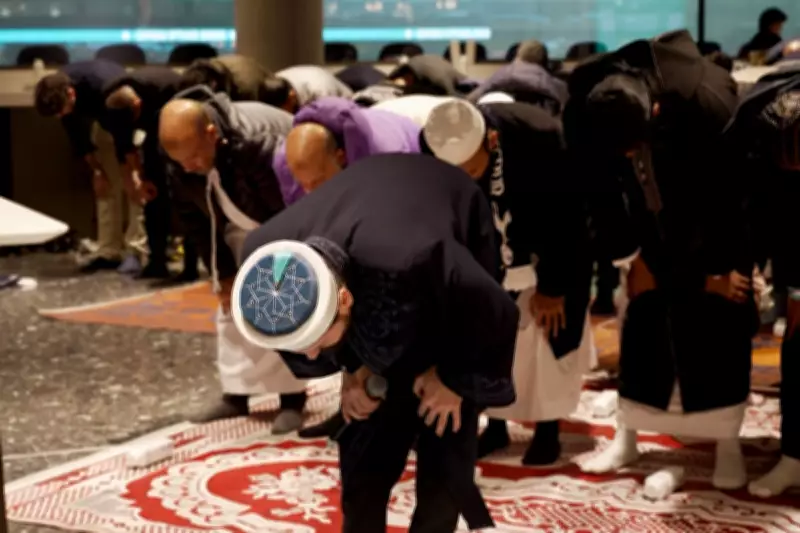
Nigel Farage advocated for banning mass religious observances during his party's Scottish conference in Renfrewshire on Thursday. He specifically criticized a recent Open Iftar event in Trafalgar Square, which organizers said attracted 3,000 attendees during Ramadan.
Farage described such gatherings as "an attempt to overtake, intimidate and dominate our way of life" and argued that "mass prayer is banned in many Muslim countries in the Middle East itself." He claimed these were "provocative demonstrations in historic British sites."
Cross-Party Support for Religious Freedom
Scottish First Minister John Swinney backed McNeill's position during the same event at Prestwick Airport in South Ayrshire. He stated: "I want to live in a country where we're tolerant of people's faiths. I want to have tolerance expressed towards my faith, of my religious beliefs. If I want that, other people should have that too."
Political Reactions and Controversy
The Trafalgar Square Iftar became a political flashpoint after shadow justice secretary Nick Timothy described mass prayer as "an act of domination." Tory leader Kemi Badenoch supported Timothy despite calls from the Prime Minister for his dismissal.
On Friday, Badenoch clarified her position, stating she supports public prayer "for all faiths" but criticized what she called "gender-segregated events that are not inclusive." She claimed the specific Iftar event was "not welcoming to others, despite what the organisers say."
Legal and Ethical Questions Raised
Attorney General Lord Richard Hermer questioned whether Badenoch and Timothy would object to him praying in public as a Jewish man. He told the Guardian: "Timothy and Badenoch's comments beg the question – would they have a problem if I, as a Jewish man, were praying in public? Or is it just Muslim prayer they find offensive, and contrary to 'British values'?"
Hermer accused the Conservative Party of "seeking to divide Britain" alongside Reform and Tommy Robinson, arguing they should instead "be celebrating our brilliantly welcoming and diverse country."
The government's firm rejection of Farage's proposal reinforces the UK's commitment to religious freedom while highlighting ongoing political debates about the nature and expression of religious observance in public spaces.