

More than 1 million drones are currently being used in the UK, with new rules from the start of 2026 meaning that pilots have to be registered with the Civil Aviation Authority. And there are strict rules over where drones can be flown - but that doesn't stop disputes.
Rising Drone Incidents
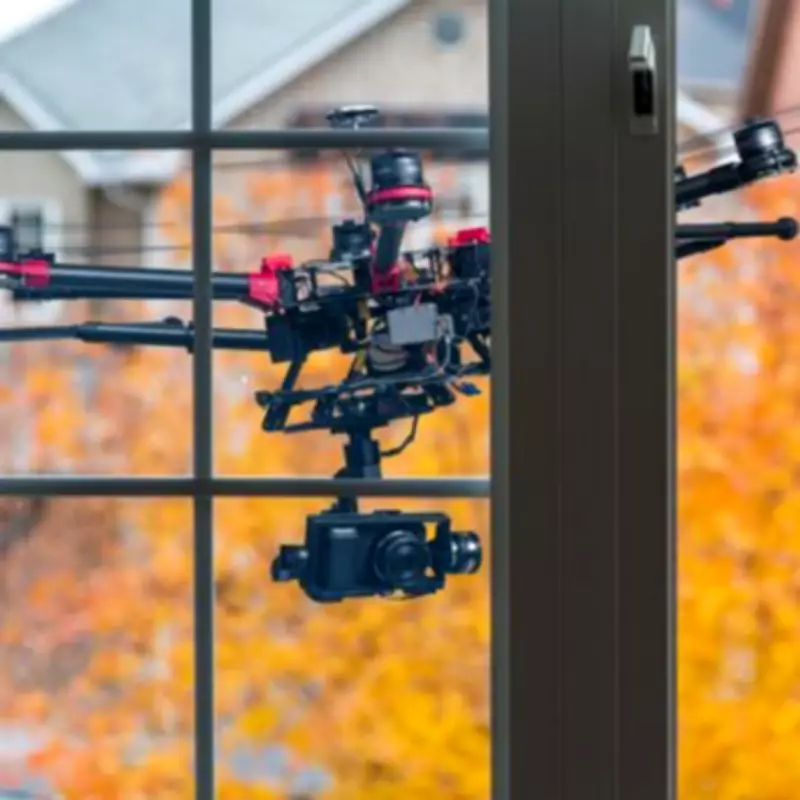
In 2023, there were approximately 6,000 reported drone incidents to the police. By 2025, that number had risen significantly, with some estimates suggesting over 8,000 to 10,000 reports annually. Complaints include people suspecting they are being filmed in their gardens or through windows and constant noise or low-altitude flying that 'feels intimidating'.
A specific subset of complaints involves drones over high-security areas; in a recent multi-year period, police recorded around 18,000 incidents related to legal, criminal, or safety concerns, including massive spikes in drone-led contraband delivery to prisons.

CAA Focus on Safety
The Civil Aviation Authority (CAA) focuses on safety breaches rather than privacy. The CAA receives an average of 44 reports per month regarding safety incidents. However, they estimate that the actual number of incidents is up to ten times higher than what is officially reported.
In 2025 alone, nine air ambulance missions were forced to delay or abort because drones were flying too close to emergency helicopters. Near-misses with passenger planes ("Airprox" incidents) remain steady at around 50–100 per year, though improved "Geo-fencing" technology in modern drones is helping to prevent accidental entries into airport zones.
Your Legal Rights
If you are concerned about a drone over your garden or near your home, your rights are based on a mix of aviation safety, privacy, and property law. It is a common misconception that you "own the sky" above your house; however, pilots still have strict limits on how they can interact with your private space.
Do they have a right to be there?
Under the Civil Aviation Act 1982, a drone (like any aircraft) has a right to fly over your property at a "reasonable height." Passing over your house at 100ft is generally legal. However:
- Take-off and Landing: They cannot take off from or land on your private property without your permission. Doing so is a civil trespass.
- The 50m Rule: If the drone weighs more than 250g, it must stay at least 50 metres away from you and your house. If it is closer, they are likely breaching the CAA Drone Code.
- Small Drones (Sub-250g): These can legally fly closer to your house, but they still cannot be used to harass you or invade your privacy.
Privacy and Filming Rights
If the drone has a camera, the operator must comply with UK GDPR and the Data Protection Act.
- Reasonable Expectation of Privacy: You have a right to privacy inside your home and in "private" areas of your garden (like a patio or hot tub area).
- Intrusive Filming: Hovering outside your window or filming you in your garden without a legitimate reason is a breach of privacy. If they capture identifiable images of you, you have a right to ask how that data is being used.
- Harassment: If a neighbour flies a drone over your house repeatedly or follows you with it, this may constitute criminal harassment under the Protection from Harassment Act 1997.
What You Cannot Do (The Risks)
It is tempting to take matters into your own hands, but the law is very strict here:
- Do Not Damage the Drone: Under the Criminal Damage Act 1971, a drone is private property. If you shoot it down, throw something at it, or net it, you can be sued for damages or charged with a criminal offence.
- Do Not Use Jammers: Using or even possessing a signal jammer is illegal under the Wireless Telegraphy Act.
- Safety Risk: Forcing a drone to crash is dangerous; it could hit someone or cause a fire.
How to Handle the Situation
If a drone is bothering you, follow these steps to protect your rights:

- Identify the Pilot: By law, most pilots must keep the drone in their "Visual Line of Sight." They are usually standing within a few hundred metres.
- Use Remote ID (New for 2026): Most drones now broadcast a digital signal called Remote ID. You can download a "Drone Scanner" app on your phone to see the drone's location and its unique Operator ID, which you can give to the police.
- Document Everything: Note the time, date, and description of the drone. If safe, take a photo of the pilot or the drone's flight path as evidence.
- Report It:
- Police (101): For nuisance, harassment, or if you think they are "casing" your house for a burglary.
- Information Commissioner's Office (ICO): If you believe your privacy/data rights are being breached by filming.
- CAA: If the drone is being flown dangerously (e.g., over a crowd or very low over people).
The Golden Rule: Treat a drone like a person standing at your fence with a camera. If what they are doing would be illegal on the ground, it is likely illegal in the air too.





