Folk Traditions as a Tool Against Far-Right Nationalism
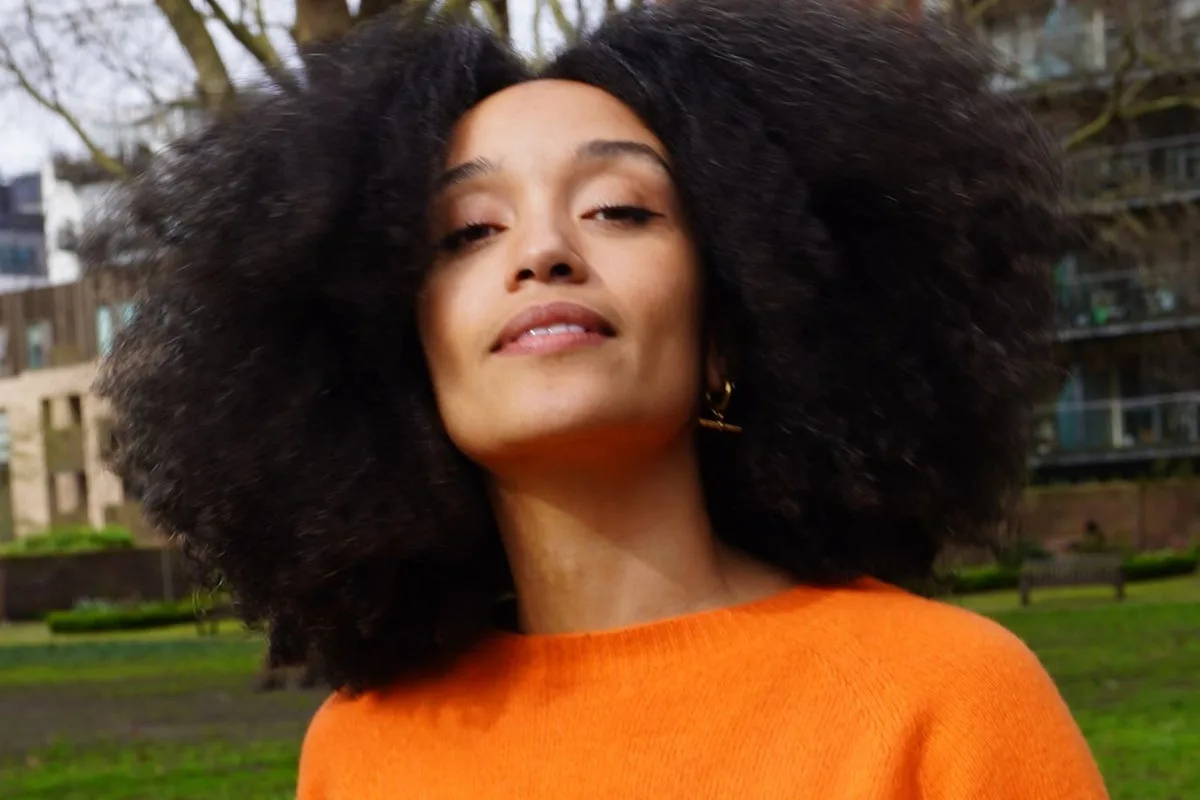
On a bright March morning in Bunhill Fields, a historic burial ground in central London, broadcaster and writer Zakia Sewell contemplates whether folk traditions can serve as a powerful antidote to far-right nationalism. The 32-year-old BBC Radio 6 DJ has dedicated significant time to this inquiry, traveling across the British Isles to investigate the nation's folk resurgence for her debut book, Finding Albion: Myth, Folklore and the Quest for a Hidden Britain.
Exploring a Hidden Britain Beyond Traditional Myths
Sewell's work expands on her acclaimed audio series for BBC Radio 4, where she pursued a more inclusive concept of "Britishness" that moves beyond conventional national symbols. Her book has earned a longlisting for this year's Women's Prize for non-fiction, highlighting its impact. According to Sewell, Britain is experiencing a "folk frenzy," marked by a post-pandemic revival in pagan festivals, folk music, dancing, films, and publications like Weird Walk, which encourages exploration of myth-rich sites through walking.
"People are increasingly drawn to folk culture today because they seek alternative, eccentric, and enjoyable visions of British identity," Sewell explains. Standing near the gravestone of poet William Blake, a fellow seeker of "Albion"—the ancient name for Great Britain—she emphasizes the timeless quest for deeper national understanding.
Challenging Far-Right Symbolism with Historical Insights
Amid this cultural revival, a contrasting "flag fever" has emerged, driven by movements like Operation Raise the Colours and Unite the Kingdom marches, linked to far-right figures such as Tommy Robinson. These events have sparked intense debates over whether flags symbolize patriotism or racist nationalism. In response, Finding Albion delves into history to undermine far-right attempts to appropriate traditional symbols for divisive purposes.
Sewell points out that many English national symbols lack indigenous roots. For instance, St. George, England's patron saint, never visited England and had Palestinian origins, while the St. George's cross flag originated in Genoa, Italy, with England paying a tax for its use for centuries. "These facts reveal the fluidity of national identity," she notes, challenging exclusionary narratives.
Inclusive Reinterpretations of Folk Traditions
Sewell is not alone in reimagining British heritage. Groups like Boss Morris, an LGBTQ+ female Morris dancing troupe from Gloucestershire, are revitalizing 15th-century English folk dance to promote inclusivity. By distancing themselves from problematic practices like blackface, they aim to redefine "Englishness" with broader appeal, performing at events such as the Brit Awards alongside artists like Wet Leg.
As someone of British and Caribbean descent, Sewell's personal connection to British identity is complex. She inherits stories of ancestors enslaved under British rule, linking current inequalities to colonial history and racism. However, her research uncovers a diverse past: the 10,000-year-old Cheddar Man had dark skin, and Roman-era ruler Septimius Severus was North African. "Britain's history is far less homogenous than often portrayed," she asserts.
Paving the Way for a More Inclusive Future
Finding Albion, structured around the Pagan "Wheel of the Year" with eight seasonal festivals, offers rich insights for fostering a more inclusive Britain. From druid rituals at Glastonbury Tor to celebrations in York and Cornwall, Sewell's journey illustrates the potential of folk culture to unite rather than divide. Published by Hodder & Stoughton on March 19th, the book serves as a valuable resource for rethinking national identity in an era of polarization.






