

FBI Director Confirms Purchase of Americans' Location Data in Senate Hearing
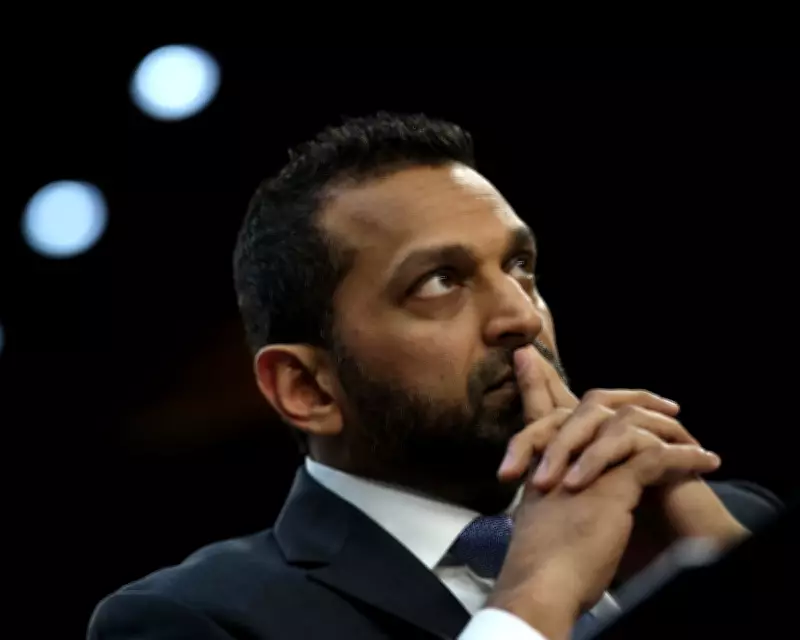
In a significant admission during a Senate intelligence committee hearing on Wednesday in Washington DC, FBI Director Kash Patel stated under oath that the Federal Bureau of Investigation is actively buying location data on American citizens. This revelation came in response to pointed questioning from Senator Ron Wyden, a Democrat from Oregon and a long-standing critic of warrantless surveillance practices.
Questioning Reveals Shift in FBI Policy
Senator Wyden referenced previous testimony from former FBI Director Christopher Wray in 2023, who had indicated that the agency was not purchasing location data derived from internet advertising at that time, though he acknowledged past instances. Wyden pressed Patel, asking, "Is that the case still? And if so, can you commit this morning to not buying Americans’ location data?" Patel responded, "We do purchase commercially available information that’s consistent with the constitution and the laws under the Electronic Communications Privacy Act, and it has led to some valuable intelligence for us."
Wyden interpreted this as a confirmation, stating, "So you’re saying that the agency will buy Americans’ location data. I believe that’s what you’ve said in kind of intelligence lingo. And I just want to say as we start this debate, doing that without a warrant is an outrageous end run around the fourth amendment. It’s particularly dangerous given the use of artificial intelligence to comb through massive amounts of private information."

Legal and Political Backlash Intensifies
The exchange has ignited a fierce debate over privacy rights and government overreach. While law enforcement agencies typically require a judge-authorized search warrant to obtain location data directly from telecom companies, they have exploited a loophole by purchasing such information from private data brokers. Wyden highlighted this issue as "exhibit A" for why Congress must pass the bipartisan, bicameral Government Surveillance Reform Act, legislation he is championing to curb surveillance powers.
On social media, Representative Warren Davidson, a House Republican, amplified Wyden's concerns. Davidson, who introduced a companion bill with Democratic Representative Zoe Lofgren, remarked, "This is a clear violation of the fourth amendment and is why I introduced the Government Surveillance Reform Act to close the data broker loophole that allows intelligence agencies to buy Americans’ private data."
Constitutional Implications Under Scrutiny
The Fourth Amendment to the US Constitution explicitly protects citizens against unreasonable searches and seizures, mandating that warrants be issued only upon probable cause. Patel's admission raises serious questions about whether the FBI's actions comply with these constitutional safeguards. Critics argue that bypassing warrant requirements through commercial purchases undermines fundamental liberties and sets a dangerous precedent for government surveillance.
As the controversy unfolds, bipartisan efforts in Congress are gaining momentum to reform surveillance laws and close the data broker loophole. The hearing underscores ongoing tensions between national security interests and individual privacy rights in an era of advanced technology and data analytics.






