

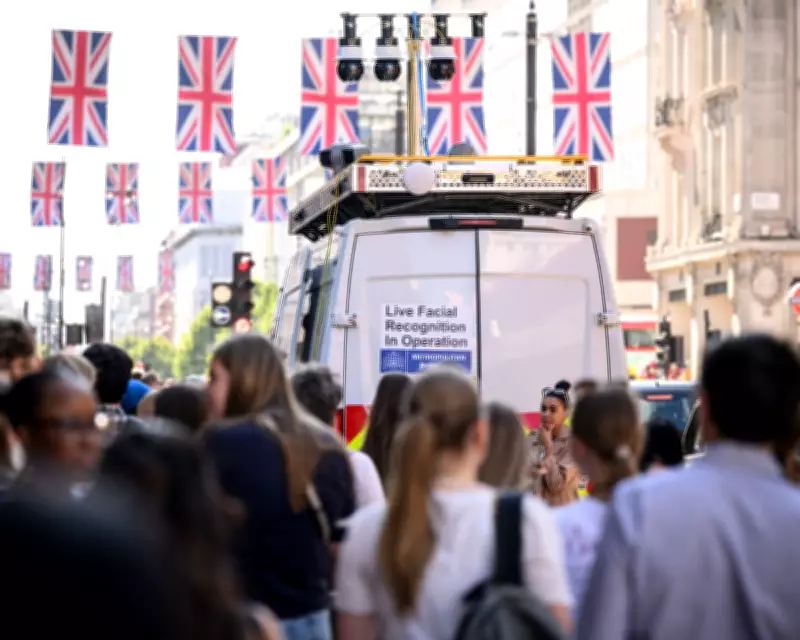
The rapid deployment of live facial recognition technology by UK police forces and retailers has outpaced regulatory safeguards, raising urgent concerns about civil liberties and the potential for misuse. A Guardian editorial argues that extravagant claims about the benefits of such tools often silence legitimate criticism, labeling skeptics as pessimists or criminals.
Government and Police Enthusiasm
Home Office minister Sarah Jones recently stated that law-abiding citizens have nothing to fear from increased police use of mounted cameras equipped with AI-powered identification software from Japanese firm NEC. She described the technology as the biggest breakthrough for catching criminals since DNA. Metropolitan Police Commissioner Sir Mark Rowley shares this enthusiasm, and London Mayor Sir Sadiq Khan has endorsed a pilot scheme. While police face pressure from rising shoplifting and hate crimes, the ability to match faces against a suspect database is seen as a valuable tool.
Oversight Failures and Bias
A Guardian exclusive revealed weak oversight and misuse of these systems. Biometrics watchdogs Prof William Webster and Dr Brian Plastow believe the Information Commissioner's Office is inadequate, calling for a new regulator. An audit of the Met's use of facial recognition was postponed indefinitely. The Home Office acknowledges racial bias, with tests showing higher false positive rates for black and Asian faces, yet reforms lag.

Urgent Need for Redress
The editorial emphasizes the need for an improved system of redress for misidentified individuals, whether by police or private security. Ministers must address whistleblower claims of up to 15 instances where innocent people were maliciously added to watchlists by security employees. Racial bias in the software must be eliminated.
Political Choices
Surveillance tools raise fundamental questions about civil liberties, privacy, and state overreach. Their rollout is a choice, not an inevitability, and alternatives exist. The pattern of technology outpacing democratic checks must be broken. The policing minister may believe most people should not fear biometric databases, but that does not make it true.






